Some ideas feel small at first, almost playful, until you realize how deeply they connect to everyday life. Pyjamaspapper is one of those ideas. It taps into comfort, intention, and the quiet joy of slowing down. Many people first encounter the word with curiosity, unsure what it means or why it keeps appearing in conversations around gifting and lifestyle.
Pyjamaspapper blends comfort culture with thoughtful presentation. The term itself sparks warmth. It suggests softness, rest, and care before you even understand its use. That emotional pull explains why people search for it and why interest keeps growing.
This article explores pyjamaspapper from every angle. It explains what it is, how it emerged, and why it resonates so strongly today. It also looks at its role in gifting, branding, sustainability, and personal rituals. By the end, you will see why this concept feels larger than it first appears.
Understanding What Pyjamaspapper Really Means
Pyjamaspapper refers to a style of paper or packaging inspired by pajamas and the feeling they represent. It is not just paper used to wrap pajamas. Instead, it reflects softness, comfort, and intimacy through texture, design, and intention.
The idea focuses on emotional response. When someone touches pyjamaspapper, it should evoke relaxation. The surface often feels gentle. The colors tend to feel calm. Patterns usually echo fabrics associated with sleepwear.
This approach shifts packaging from a protective layer into part of the experience. The paper becomes meaningful rather than disposable.
People often misunderstand pyjamaspapper as novelty. In reality, it represents a growing appreciation for sensory details in everyday items.
You Might Also Like: Toastul
Cultural Roots of Comfort Packaging Of Pyjamaspapper
Comfort has become a cultural priority. People seek calm in a fast world. Pyjamaspapper fits into this shift naturally.
In recent years, comfort moved beyond clothing into home design, digital spaces, and gifting. Items that feel soft and reassuring carry more value.
Packaging followed this trend. Instead of flashy designs, people prefer warmth and simplicity. Pyjamaspapper reflects that preference clearly.
It mirrors how pajamas symbolize safety and rest. Translating that feeling into paper makes emotional sense.
Why Pyjamaspapper Feels So Appealing
The appeal of pyjamaspapper lies in its subtlety. It does not shout for attention. It invites touch. When someone receives a gift wrapped in it, the experience slows down. The recipient feels considered. That feeling matters. This type of paper often uses muted tones and gentle patterns. These design choices reduce stimulation. In a world full of noise, quiet design feels luxurious.
Emotional Connection and Human Psychology
Touch influences emotion. Soft textures calm the nervous system. Pyjamaspapper leverages this response. When people interact with something gentle, they associate it with care. This association strengthens emotional bonds.
Gift-giving becomes more personal when presentation aligns with comfort. The paper reinforces the intention behind the gift. This emotional layering makes memories stronger.
Pyjamaspapper in Modern Gifting Culture
Gifting culture has changed. People value thoughtfulness over expense. Presentation matters as much as the item. Pyjamaspapper supports this shift. It communicates intention without excess.
It works well for personal gifts. Birthdays, holidays, and self-care packages benefit from its tone. Even small items feel special when wrapped with care.
Sustainability and Material Choices In Pyjamaspapper
Many versions of pyjamaspapper focus on sustainability. Comfort now includes ethical awareness. Softness does not require waste. Recycled fibers and responsible inks often appear in these designs. Consumers appreciate this balance. They want beauty without guilt. This alignment strengthens trust in brands that use such packaging.
Design Elements That Define the Style
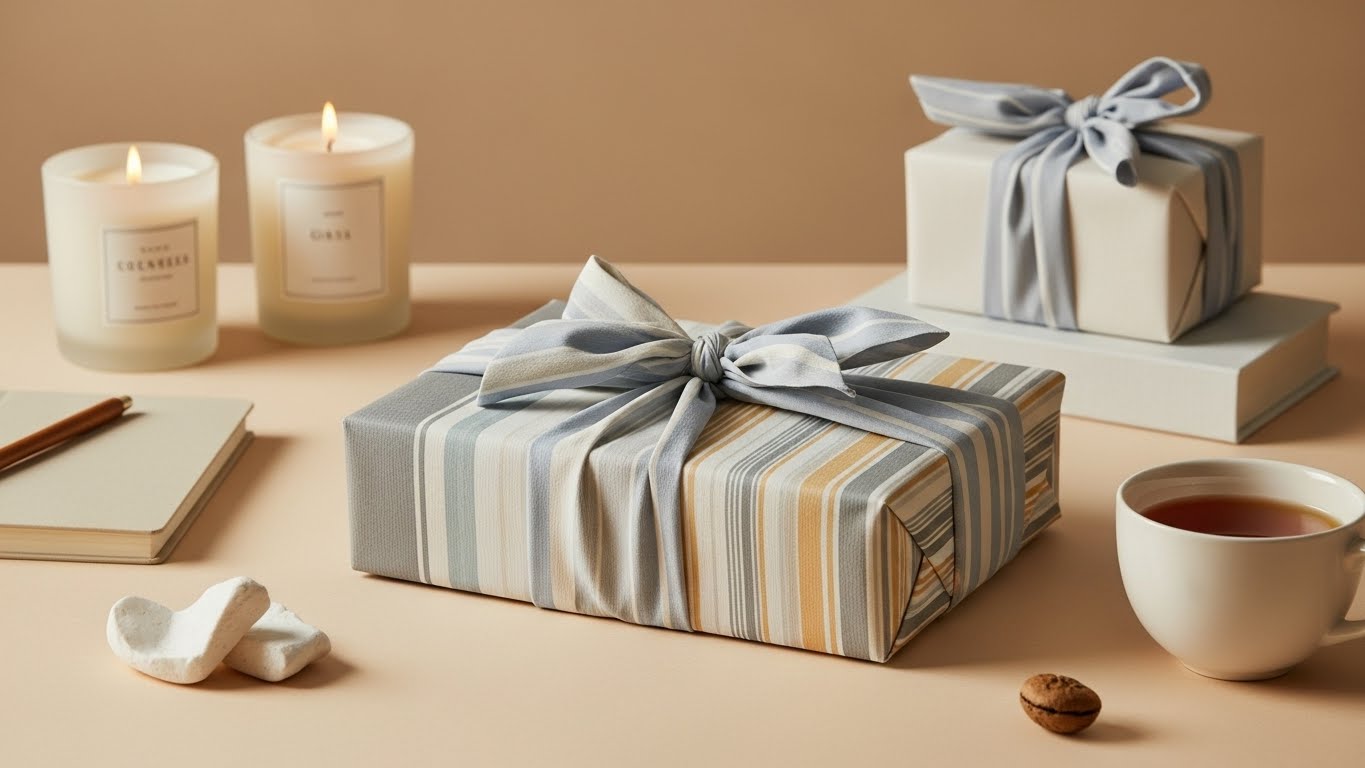
Design plays a central role in pyjamaspapper. Patterns often resemble textiles. Common elements include subtle stripes, gentle checks, or abstract fabric-inspired prints. Colors stay calm. Neutrals, pastels, and warm tones dominate. Texture matters more than shine. Matte finishes feel more intimate.
Role of Texture in Sensory Experience
Texture transforms perception. Smooth but slightly fibrous paper feels comforting. This tactile quality mirrors pajamas themselves. Both aim to soothe. Texture also signals quality. People associate softness with care in production. This perception enhances brand value without words.
Pyjamaspapper and Brand Storytelling
Brands use pyjamaspapper to communicate values. It signals warmth and attention to detail. Without stating anything directly, the packaging tells a story. This story appeals to customers who value experience. It differentiates brands in crowded markets.
Applications Beyond Pyjamaspapper
Despite its name, pyjamaspapper works beyond sleepwear. It suits many products. Self-care items, journals, candles, and home goods pair well with it. Any item meant to comfort fits the aesthetic. This versatility expands its relevance.
The Rise of Slow Living Aesthetics
Slow living values intention. Pyjamaspapper aligns with this philosophy. It encourages people to pause. Unwrapping becomes a ritual. This ritual contrasts with rushed consumption. As slow living grows, demand for such packaging increases.
Pyjamaspapper in Small Businesses
Small businesses benefit from this approach. It adds value without large cost. Customers notice details. They remember thoughtful packaging. Pyjamaspapper helps small brands compete emotionally. It turns simple purchases into experiences.
Social Media Influence on Packaging Trends
Social media amplifies aesthetics. Unboxing moments matter. Pyjamaspapper photographs well. Its softness translates visually. This shareability increases exposure organically. Visual calm stands out in busy feeds.
The Role of Color Psychology
Color choice affects mood. Pyjamaspapper often uses calming hues. Soft blues, warm creams, and gentle grays dominate. These colors lower stress responses. They reinforce the comfort narrative.
Craftsmanship and Perceived Quality
Careful design signals craftsmanship. Pyjamaspapper suggests attention. People associate that care with product quality. This association influences satisfaction. Even before using the item, trust forms.
Customization and Personal Touches
Customization enhances impact. Personalized pyjamaspapper feels intimate. Names, subtle messages, or seasonal variations add charm. This personalization strengthens emotional connection. It transforms packaging into keepsake.
Pyjamaspapper as a Ritual Object
Rituals bring comfort. Unwrapping becomes a moment. Pyjamaspapper supports this ritualization. People slow down and engage fully. These moments improve well-being.
Economic Value of Thoughtful Packaging
Thoughtful packaging increases perceived value. Customers accept higher prices. Pyjamaspapper justifies this through experience. Value becomes emotional rather than material. This shift benefits both buyers and sellers.
Challenges in Production and Design
Creating true comfort requires balance. Too soft feels flimsy. Too thick feels rigid. Designers must consider durability. Achieving softness while protecting items matters. Quality control becomes essential.
Avoiding Overuse and Dilution
Trends risk overuse. Pyjamaspapper must remain intentional. Using it everywhere reduces impact. Selective application preserves meaning. Brands must align use with purpose.
Consumer Expectations and Authenticity
Consumers sense authenticity. Forced comfort feels empty.nPyjamaspapper works when it matches brand values. Mismatch causes disappointment. Consistency builds trust.
Cultural Variations in Comfort Perception
Comfort differs across cultures. Designers adapt accordingly. Some cultures prefer minimalism. Others enjoy pattern. Pyjamaspapper evolves through localization. This adaptability supports global appeal.
The Future of Comfort-Driven Packaging
Comfort will remain relevant. Stress continues to shape preferences. Pyjamaspapper may evolve in texture and material. Digital printing allows experimentation. Innovation will deepen sensory experience.
You Might Also Like: Lun As
Integration With Sustainable Lifestyles
Sustainability and comfort merge naturally. Reusable packaging adds longevity. Some people repurpose pyjamaspapper. This reuse extends emotional value.
Educational Value for Designers
- Designers learn from this trend.
- It teaches emotional design principles.
- Form follows feeling.
- This lesson applies broadly.
Why People Remember This Kind of Packaging
Memory ties to emotion. Pyjamaspapper triggers calm. Calm strengthens recall. People remember how something made them feel. That feeling drives loyalty.
The Balance Between Simplicity and Warmth
- Simplicity defines the style. Warmth prevents coldness.
- This balance feels inviting.
- Too much design overwhelms.
- Restraint enhances comfort.
Personal Stories and Everyday Use
- Many people keep such paper. They reuse it.
- It becomes part of daily life.
- These small acts create continuity.
- Comfort extends beyond the moment.
Final Thoughts on Its Lasting Appeal
Pyjamaspapper succeeds because it speaks quietly. It respects emotion, texture, and intention. In a world chasing attention, it offers rest. That contrast gives it power. Whether used in gifting, branding, or personal rituals, it reminds us that comfort can be designed. By choosing softness, awareness, and care, we shape experiences that linger. If you value moments that feel gentle and meaningful, this approach offers something worth embracing.