Cevurı is more than just a dish; it’s a vibrant expression of culture and tradition that brings people together. Originating from various regions, this delicacy has woven itself into the fabric of social gatherings and culinary experiences. With its rich flavors and diverse ingredients, Cevurı embodies stories passed down through generations.
As we explore the meaning behind Cevurı, you’ll uncover its significance in different cultures as well as the history that shapes it today. Whether you’re a seasoned foodie or someone curious about world cuisines, this journey delves deep into what makes Cevurı so special. From traditional recipes to modern twists, there’s much to discover about this remarkable dish. Join us as we unravel the layers of flavor and tradition surrounding Cevurı!
Understanding the Cultural Significance of Cevurı
Cevurı holds a unique place in the hearts of many cultures. It represents more than just food; it symbolizes community and shared experiences. In various regions, families gather to prepare and enjoy Cevurı, creating bonds that linger long after the meal is over.
This dish often appears during celebrations and special occasions. Its presence at family gatherings or festive events reflects its role as a centerpiece of togetherness. People come together not only to savor the flavors but also to share stories, laughter, and memories.
Traditionally prepared with care and attention, Cevurı showcases local ingredients that highlight regional culinary practices. Each variation tells a story about the land it comes from—where spices grow abundantly or where certain vegetables are cultivated with love.
In some communities, preparing Cevurı is seen as an art form passed down through generations. Elders teach younger family members how to perfect their recipes, ensuring cultural traditions continue thriving in modern times.
Moreover, Cevurı transcends mere sustenance; it serves as a bridge between past and present. When someone savors this dish for the first time or prepares it for guests, they partake in a rich history that connects them to countless others who have enjoyed it before.
The communal aspect of enjoying Cevurı cannot be overlooked either. Sharing meals fosters connections among friends and strangers alike—a universal language understood by all who appreciate good food.
Understanding the cultural significance of Cevurı invites us to appreciate diversity within our global society while celebrating what unites us: our love for delicious cuisine made with heart.
You Might Also Like: Masago
Exploring the Origins and History
Cevurı, a traditional dish with deep roots, finds its origins in the vibrant cultures of Eastern Europe and Central Asia. The name itself is steeped in history, stemming from regional dialects that reflect the unique culinary traditions of these diverse areas.
Historically, Cevurı was more than just food; it served as a communal gathering point for families and friends. In many cultures, preparing this dish involved multiple generations working together in kitchens filled with laughter and stories. This sense of community remains integral to the experience today.
The preparation methods have evolved over centuries but are still largely based on age-old techniques passed down through families. Early versions often utilized whatever ingredients were readily available locally—an adaptive approach dictated by geography and seasonal changes.
Different regions have put their own spin on Cevurı throughout history. Variations can be found across countries like Turkey, Azerbaijan, and even parts of Russia. Each version showcases local flavors while maintaining core elements that define what true Cevurı is all about.
In some places, historical trade routes played a crucial role in shaping this dish’s evolution. Spices introduced during ancient commerce enriched flavor profiles while introducing new textures to the beloved recipe.
Throughout time periods marked by cultural exchange or conflict, Cevurı has remained remarkably resilient. Its ability to adapt has helped it endure despite shifts in culinary trends or societal structures.
Today’s chefs continue revisiting these age-old recipes while adding contemporary twists—a testament to its versatility and timeless appeal within global gastronomy.
Ingredients and Variations of Traditional Cevurı
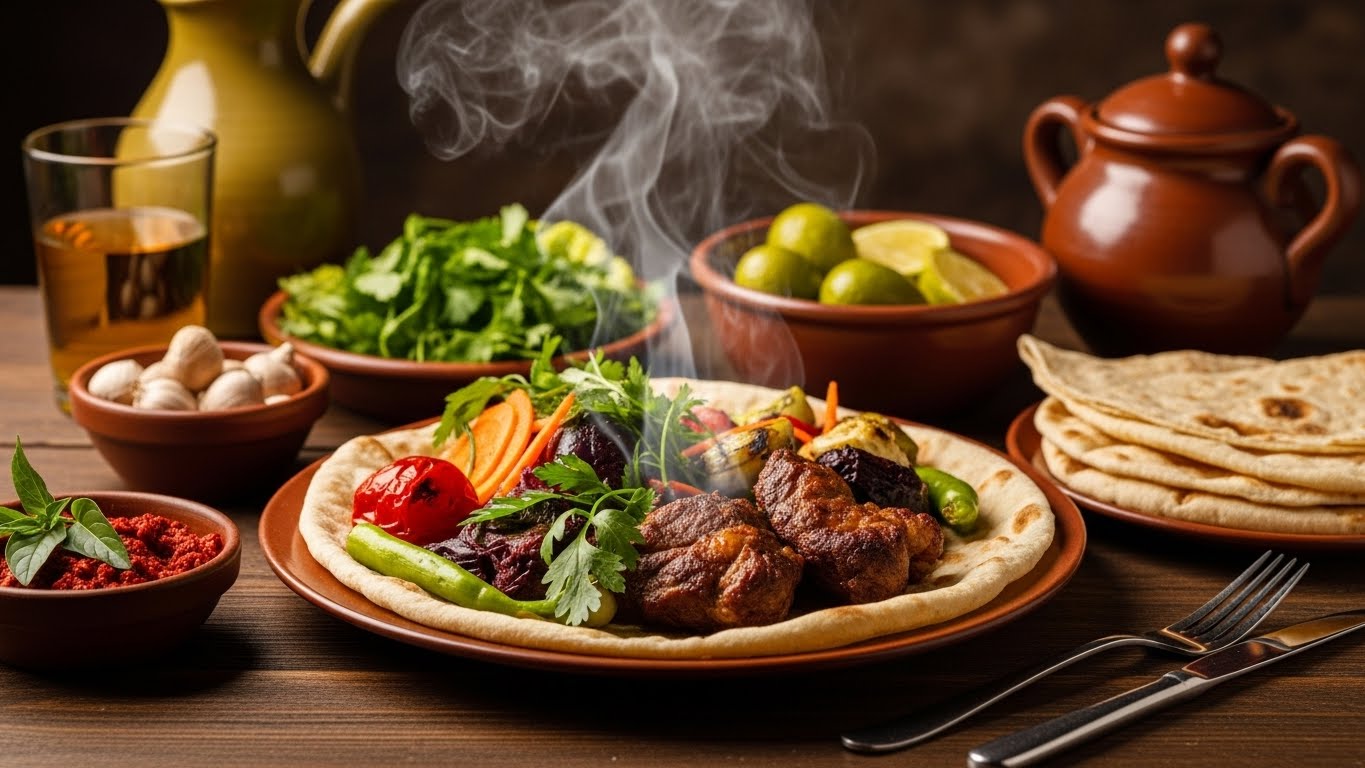
Cevurı is a dish that reflects the rich culinary traditions of its region, showcasing a delightful blend of flavors and textures. The core ingredients typically include meat, spices, and some form of bread or dough. While lamb or beef are common choices, variations exist depending on local preferences.
The preparation often starts with marinating the meat in an array of spices. Common seasonings include garlic, cumin, and black pepper. These ingredients not only enhance flavor but also contribute to the aromatic experience associated with Cevurı.
In addition to meat and spices, vegetables can play a vital role in this dish. Onions and bell peppers add sweetness and crunch while integrating seamlessly into the overall profile. Some recipes even incorporate tomatoes for acidity.
Bread serves as another essential component; it acts both as a vessel for holding fillings and as an accompaniment to balance out flavors. Traditional types may vary from flatbreads to thicker varieties depending on regional practices.
Regional differences mean you might also find unique twists on traditional Cevurı recipes that highlight local produce or cooking techniques. For instance, some versions might feature spicy sauces made from chili peppers that elevate heat levels significantly.
Vegetarian options have emerged too! These adaptations retain most elements while substituting meat with hearty alternatives like mushrooms or lentils—offering depth without losing authenticity.
Exploring these variations reveals how versatile Cevurı truly is across different cultures! Each ingredient tells a story steeped in history yet evolving continually through modern interpretations.
Modern Adaptations and Influences on Cevurı
Cevurı has transcended its traditional roots, evolving with modern culinary trends. Chefs and home cooks alike have embraced creativity, allowing for exciting adaptations of this classic dish.
One popular variation is the introduction of fusion flavors. Influences from Asian or Mediterranean cuisines can be found in some contemporary recipes, incorporating spices and ingredients that were not part of the original preparation. This melding creates a unique flavor profile that captivates new audiences.
Another significant change lies in cooking methods. While traditional Cevurı often involves slow roasting, many are now opting for quicker techniques like grilling or air frying. These methods maintain essential flavors while catering to today’s fast-paced lifestyle.
Vegetarian and vegan adaptations have also gained popularity. By replacing meat with hearty vegetables or plant-based proteins, these versions cater to growing dietary preferences without losing the essence of Cevurı’s taste.
The presentation has also evolved dramatically. Modern plating styles emphasize aesthetics alongside flavor, turning each serving into an artistic expression on a plate. Bright colors from fresh herbs or sauces enhance visual appeal while inviting diners to indulge their senses.
Social media plays a pivotal role in spreading innovative takes on Cevurı. Food influencers share creative spins through visually stunning posts that inspire others to experiment at home or seek out trendy restaurants featuring diverse interpretations.
Global exposure allows chefs worldwide to incorporate local ingredients into their versions of Cevurı. Thus, every region brings its own flair—making it an ever-evolving dish reflecting cultural diversity and innovation within culinary arts.
Health Benefits and Nutritional Value of Cevurı
Cevurı is not just a delightful dish; it also comes packed with numerous health benefits. The ingredients used in traditional cevurı contribute to its nutritional value, making it a wholesome option for many.
Typically made from fresh vegetables and herbs, cevurı provides essential vitamins and minerals. Vegetables like bell peppers, onions, and tomatoes are rich in antioxidants that help fight free radicals in the body. This can reduce the risk of chronic diseases over time.
One of the standout features of cevurı is its use of healthy fats. Olive oil is commonly incorporated into the recipe, which contains monounsaturated fats known to promote heart health. These good fats can lower bad cholesterol levels while increasing good cholesterol.
Moreover, cevurı often includes legumes or grains such as chickpeas or lentils. These ingredients are excellent sources of protein and fiber—both vital for digestive health and maintaining a balanced diet. Fiber aids in digestion while keeping you feeling fuller for longer periods.
The presence of various herbs adds another layer of health benefits to this dish. Herbs like parsley and dill come loaded with nutrients that support overall well-being. They enhance flavor without adding calories or unhealthy additives.
In addition to being nutritious, cevurı is low in calories compared to other heavier dishes on the menu. This makes it an ideal choice for those looking to manage their weight while enjoying flavorful meals.
Incorporating cevurı into your diet not only tantalizes your taste buds but also enriches your body with essential nutrients necessary for maintaining optimal health.
You Might Also Like: candizi
Making Authentic Cevurı at Home
Making authentic cevurı at home is a delightful culinary adventure. It allows you to immerse yourself in tradition while experimenting with flavors that resonate deeply within the culture.
Start by gathering your ingredients. The foundation of great cevurı lies in quality meats, spices, and fresh herbs. Each component plays a pivotal role in achieving that rich flavor profile synonymous with this dish.
Marinating the meat is essential. Use a combination of yogurt, garlic, and aromatic spices like cumin or paprika for depth. Allow it to sit for several hours—overnight if possible—to let those flavors meld beautifully.
Next comes the cooking method. Traditional methods often involve grilling or slow-cooking over an open flame for that smoky taste. If you’re using indoor appliances, opt for cast iron pans or broilers to mimic those conditions as closely as possible.
While the meat cooks, focus on preparing accompanying sides and sauces. Fresh salads made from seasonal vegetables add brightness to each bite of cevurı. A tangy sauce can elevate your dish further; think creamy tzatziki or spicy chili dips.
Presentation matters too! Arrange your cevurı on a platter surrounded by colorful garnishes like sliced onions and vibrant herbs. This not only makes it visually appealing but also enhances the dining experience.
Share this meal with family and friends! Cevurı embodies more than just food; it’s about togetherness and celebration—a perfect way to create lasting memories around the table.
Where to Find and Enjoy It Around the World
Cevurı has made its mark across various corners of the globe, showcasing its versatility and appeal. You can find this delightful dish in many regions, each adding their unique twist to it.
In Turkey, where Cevurı originates, it’s commonly found at local eateries and street food stalls. Here, it’s often paired with traditional sides like pickled vegetables or fresh bread. The vibrant flavors are a staple during family gatherings or festive occasions.
As you travel beyond Turkey’s borders, Cevurı is increasingly featured in Middle Eastern cuisine. Various countries have embraced this dish while incorporating their spices and techniques. For instance, in parts of Greece and Cyprus, similar versions celebrate regional ingredients.
Food enthusiasts will also discover restaurants specializing in Turkish cuisine worldwide that proudly serve authentic Cevurı on their menus. Major cities such as New York City, London, and Berlin have seen a rise in establishments embracing this culinary gem.
If you’re looking for an adventure beyond dining out at restaurants offering Cevurı-inspired dishes, consider exploring food markets or cultural festivals celebrating Turkish heritage. These events often showcase delicious interpretations of traditional recipes alongside other delicacies from the region.
With the rising popularity of global cuisines combined with home-cooking trends spurred by social media platforms like TikTok and Instagram—where videos feature mouthwatering preparations—the future looks bright for lovers of Cevurı everywhere! Whether enjoyed at home or shared over meals with loved ones around the world; experiencing this dish brings people together through flavorful connections steeped deep within culture itself.