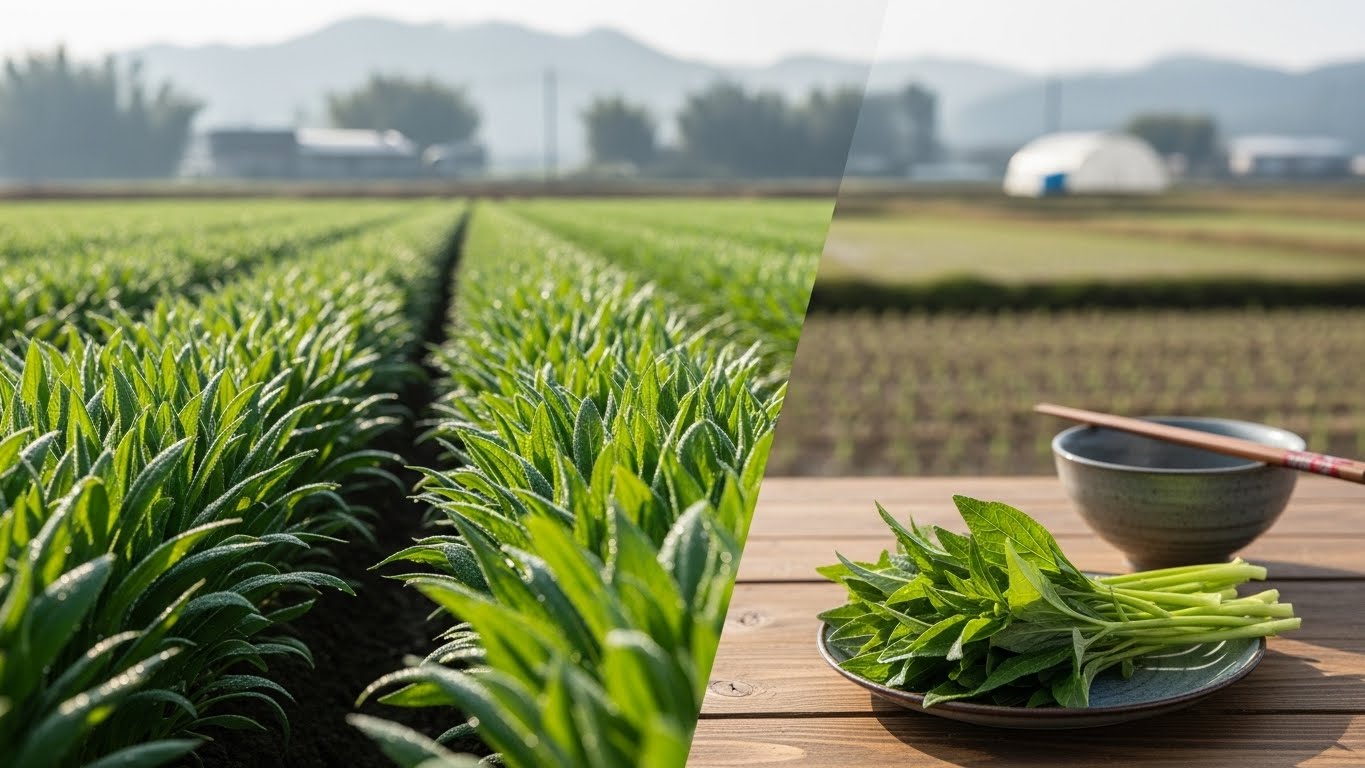
Imagine a vibrant green leaf that dances with the wind, whispering tales of its journey from sun-drenched fields to your dinner plate. Welcome to the world of Tonghou (茼蒿), a beloved Chinese herb known for its unique flavor and versatile culinary applications. But what makes this humble plant so special? In “From Farm to Table,” we’ll unravel the captivating story of Tonghou—exploring its rich cultural heritage, nutritional benefits, and the sustainable practices behind its cultivation. Join us as we trace each step in this delightful journey, celebrating not just a dish on your table but an age-old connection between nature and nourishment!
From its rich heritage to its nutritional punch, this herbaceous wonder offers more than meets the eye. Join us on an exciting journey as we explore everything about Tonghou—from how it’s grown and harvested to its significance on dining tables across Asia. Get ready to discover why this humble green deserves a spot on your plate!
The History and Origin of Tonghou
Tonghou, or 茼蒿, has deep roots in East Asian culinary traditions. This leafy vegetable is believed to have originated in China over 2,000 years ago. It was utilized not just for its flavor but also for its medicinal properties. Historical texts indicate that Tonghou was cultivated during the Han Dynasty and enjoyed by emperors and commoners alike.
As time passed, Tonghou spread through neighboring countries like Korea and Japan. Each culture embraced it differently, infusing local flavors into various dishes while maintaining its essential characteristics. In these regions, it became a staple due to its versatility and nutritional benefits.
The name “Tonghou” itself reflects regional dialects that emphasize this plant’s unique qualities. Often referred to as “crown daisy” in English-speaking contexts, it showcases how linguistic barriers can obscure the rich history behind food items.
Farmers began cultivating different varieties of Tonghou suited to their climates and soils. As agriculture evolved throughout the centuries, so did methods of growing this remarkable green.
Today’s chefs celebrate traditional recipes while experimenting with contemporary cuisine featuring Tonghou. Its journey from ancient fields to modern plates illustrates both cultural resilience and adaptability across generations.
You Might Also Like: Eporer
Growing and Harvesting Tonghou
Growing Tonghou is a rewarding experience for both home gardeners and commercial farmers. This leafy green thrives in well-drained, loamy soil with plenty of sunlight. It prefers a slightly alkaline pH but can adapt to various conditions, making it quite versatile.
Seeds are typically sown directly into the ground or started indoors before being transplanted outside. Germination takes about one to two weeks, depending on temperature and moisture levels. Once established, Tonghou grows rapidly, often reaching maturity within 30 days.
Regular watering is crucial during its growth period. This plant enjoys consistent moisture but dislikes soggy roots. A simple schedule of watering once or twice a week usually suffices unless there’s heavy rainfall.
As harvest time approaches, you can begin picking the outer leaves while allowing the inner ones to continue growing. This method prolongs the plant’s life and ensures a continuous supply of fresh greens through multiple harvests.
Harvesting should ideally occur in early morning when temperatures are cooler for maximum flavor and crispness. With careful attention, your Tonghou will offer bountiful yields ready for culinary adventures!
Nutritional Benefits of Tonghou
Tonghou, or 茼蒿, is not just a flavorful addition to your meals; it’s packed with nutrients that can significantly boost your health. This leafy green is rich in vitamins A and C, both of which play crucial roles in maintaining healthy skin and eyesight. Regular consumption may contribute to improved immune function.
Moreover, Tonghou boasts high levels of dietary fiber. Fiber aids digestion and helps regulate blood sugar levels. Adding more fiber-rich foods like Tonghou into your diet can promote gut health and prevent constipation.
Another impressive aspect of Tonghou is its mineral content. It contains essential minerals such as calcium and iron, vital for bone health and oxygen transport in the body respectively. Incorporating this green into your meals ensures you’re supporting these important bodily functions.
Antioxidants are also abundant in Tonghou. These compounds help combat oxidative stress, reducing the risk of chronic diseases such as heart disease or cancer over time. Eating antioxidant-rich foods contributes to long-term wellness.
This versatile vegetable is low in calories but high in nutrients—making it an excellent choice for those looking to manage their weight while still enjoying delicious flavors on their plates.
Cultural Significance of It in East Asian Cuisine
Tonghou holds a cherished place in East Asian cuisine, often celebrated for its unique flavor and versatility. Known as “Chinese celery” or “crown daisy,” it is not just a vegetable; it’s a cultural symbol that has woven itself into the culinary fabric of several regions.
In Chinese culture, Tonghou is commonly featured in traditional dishes during festivals and family gatherings. Its distinctive taste pairs well with various ingredients, making it an essential component in many recipes. From stir-fries to soups, this green adds depth and character to meals enjoyed by families across generations.
Korean cuisine also embraces Tonghou’s potential. Here, it’s used in salads or as a garnish for stews like kimchi jjigae. The herb’s vibrant color enhances both presentation and nutrition. It embodies the essence of seasonal cooking—freshness at its best.
Japanese kitchens appreciate Tonghou too, incorporating it into tempura or miso soup. This reflects the Japanese philosophy of harmony with nature using fresh produce available each season.
As East Asian cuisines continue to influence global dining trends, Tonghou stands out as a versatile ingredient bridging tradition and modernity while evoking memories tied to home-cooked meals shared among loved ones.
Popular Dishes Featuring It
Tonghou, with its distinctive flavor and vibrant green hue, is a versatile ingredient in many dishes. One popular way to enjoy this leafy green is through stir-frying. Tossed quickly in hot oil with garlic, ginger, and perhaps some chili flakes, tonghou retains its crunch while absorbing rich flavors.
Another classic dish featuring tonghou is hot pot. Diners can add fresh leaves into the bubbling broth for a nutritious boost. The greens soak up the savory essence of the stock while providing an appealing contrast to meat and tofu choices.
Soups also showcase tonghou beautifully. A simple yet comforting soup can be made by simmering it with chicken or vegetable broth along with mushrooms and tofu. This combination not only enhances nutrition but also adds depth to the dish.
In East Asian cuisine, you might find dumplings filled with finely chopped tonghou mixed with minced pork or shrimp. These delicate parcels are steamed or pan-fried until golden brown—perfect as appetizers or snacks during gatherings.
Salads featuring raw tongueou offer a delightful crispness when paired with sesame oil dressing or citrus vinaigrette. It’s an excellent way to indulge in its freshness while enjoying other colorful vegetables alongside it.
Availability and Varieties of Tonghou
Tonghou is increasingly popular in various regions, thanks to its unique flavor and versatility. Finding fresh Tonghou can be a delightful experience for food enthusiasts. It is often available at Asian markets, local grocery stores, or through farmers’ markets during the growing season.
There are several varieties of Tonghou, each offering different textures and flavors. The most common type features thin, delicate leaves that have a slightly grassy taste. Other variants may have thicker leaves or a more robust flavor profile; these can add exciting dimensions to dishes.
In addition to fresh options, you might also find dried Tonghou available for purchase online or specialty shops. Dried versions maintain their nutritional benefits and can easily be rehydrated for cooking purposes.
For those who prefer organic produce, it’s worth seeking out certified organic farms that cultivate this nutritious green using sustainable practices. Many growers are beginning to embrace eco-friendly methods that not only benefit consumers but also enhance the quality of the crop.
With increasing global interest in diverse greens like Tonghou, it’s likely we will see even broader availability across supermarkets worldwide soon enough!
Sustainable Farming Practices for Tonghou
Sustainable farming practices are essential for cultivating Tonghou. This leafy green thrives best in environments where the soil is rich and well-managed. Farmers often use organic compost to enhance soil fertility, reducing reliance on synthetic fertilizers. Healthy soil not only supports robust growth but also promotes biodiversity.
Crop rotation is another critical aspect of sustainable Tonghou cultivation. By alternating crops, farmers can prevent pest infestations and diseases that might affect harvests. This practice ensures that the land remains productive year after year while maintaining ecological balance.
Water management plays a vital role in growing Tonghou sustainably. Drip irrigation techniques help conserve water by delivering moisture directly to plant roots, minimizing evaporation loss. Such methods ensure that this versatile green receives adequate hydration without wasting precious resources.
Pest control is approached with care as well. Integrated Pest Management (IPM) combines biological controls with minimal chemical interventions to protect crops from pests while safeguarding beneficial insects like pollinators.
Promoting local consumption reduces the carbon footprint associated with transporting food long distances. When consumers choose locally grown Tonghou, they support sustainable farming efforts and enjoy fresher produce packed with nutrients straight from nearby farms.
You Might Also Like: Kibard
The Future of Tonghou: Globalization and Beyond
As the world becomes increasingly interconnected, Tonghou is finding its way onto more dining tables outside of Asia. This versatile green has intrigued food enthusiasts globally, showcasing a unique flavor and texture that sets it apart from other greens. Its rise in popularity signals a shift towards embracing diverse cuisines.
Culinary globalization plays a vital role in this journey. Chefs across continents are experimenting with Tonghou, incorporating it into traditional recipes or creating innovative dishes that highlight its distinct characteristics. Food blogs and social media platforms amplify this trend, revealing new ways to enjoy Tonghou while educating consumers about its origins.
The health-conscious movement also boosts demand for fresh produce like Tonghou. With an increasing focus on nutrition, people seek out leafy greens packed with vitamins and minerals. As more individuals discover the nutritional benefits of Tonghou, they will likely include it as a staple in their diets.
Sustainable farming practices further enhance the future potential of Tonghou cultivation. Organic farming methods are gaining traction among farmers who recognize the importance of environmental stewardship while meeting consumer demands for high-quality produce.
With ongoing interest and exploration within global kitchens, it’s clear that Tonghou has much more to offer beyond Asian borders. The possibilities for this remarkable green are limitless as culinary traditions continue to evolve.
Why You Should Try This Versatile Green
Tonghou offers a delightful journey from farm to table. This versatile green is not only packed with nutrients, but it also brings a unique flavor and texture to meals. Its adaptability in various dishes makes it an essential ingredient for both home cooks and professional chefs alike.
The nutritional benefits of Tonghou are impressive, including high levels of vitamins A, C, and K, along with minerals like calcium and iron. Incorporating this leafy vegetable into your diet can enhance overall health while adding exciting flavors to your culinary repertoire.
Culturally significant across East Asia, Tonghou finds its way into numerous traditional recipes. From stir-fried dishes to soups and salads, the possibilities are endless. Each preparation highlights its natural earthiness paired beautifully with spices or sauces.
With sustainable farming practices on the rise, cultivating Tonghou responsibly helps ensure that future generations can enjoy this wonderful plant. As globalization continues to spread culinary traditions around the world, Tonghou is poised for greater recognition outside its native regions.
Whether you’re looking for new ways to nourish yourself or simply want to explore diverse cuisines, give Tonghou a try! Embrace this adaptable green as part of your diet—its unique character will enrich your meals in many delightful ways.