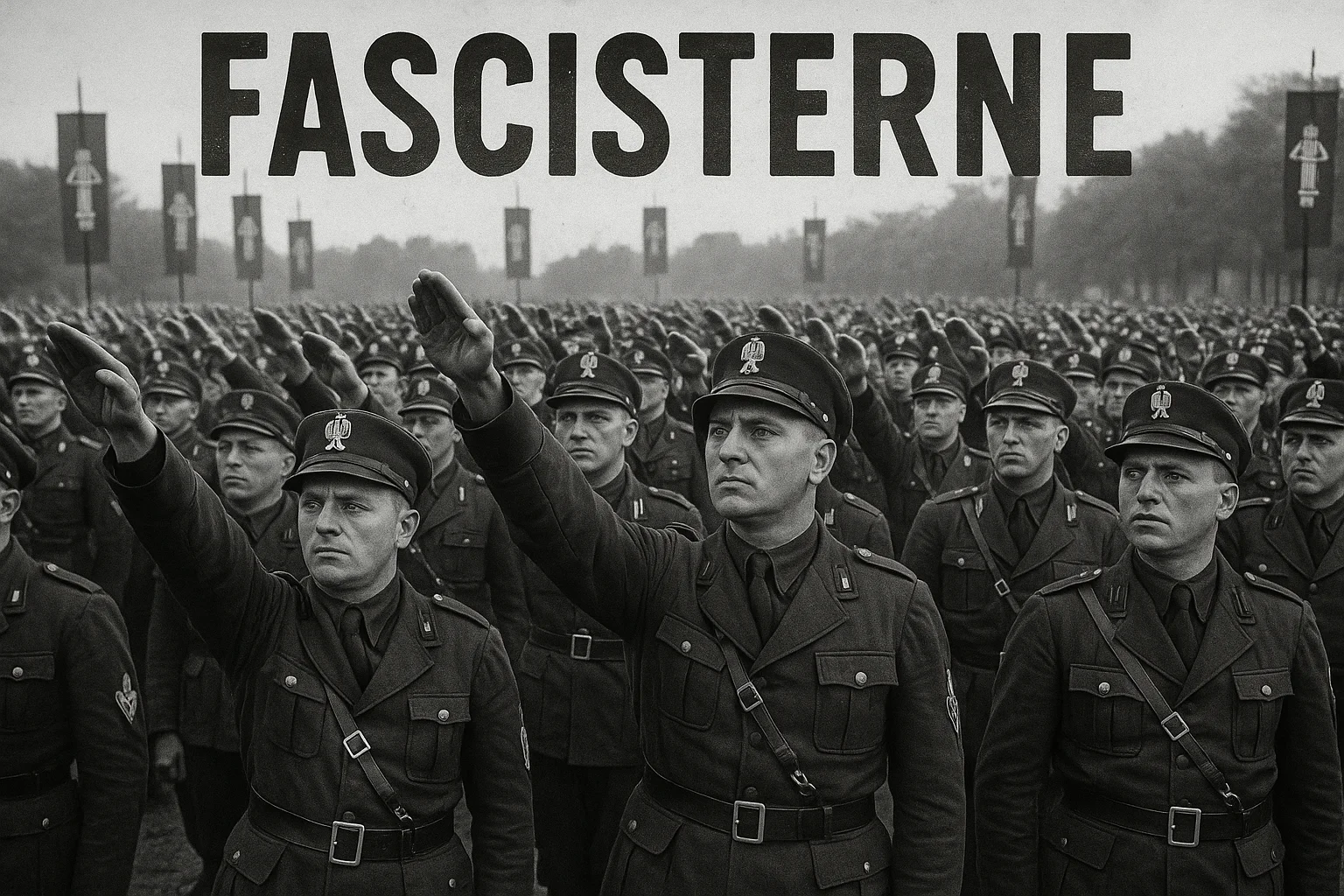
Introduction to Fascisterne
Ever wondered whether Denmark, known today for democracy and social equality, had a dark flirtation with fascism? The answer is yes—and that chapter is called Fascisterne. This lesser-known movement may not have ruled the country, but it still left fingerprints on Danish political history.
What Does “Fascisterne” Mean?
The word Fascisterne literally translates to “The Fascists” in Danish. Simple name, heavy meaning. It referred to a small but vocal fascist movement that emerged in Denmark during the early 20th century, inspired by similar movements across Europe.
Why This Topic Still Matters Today
Why dig up an old, failed political movement? Because history has a habit of repeating itself. Understanding Fascisterne helps us recognize how extremist ideas start, grow, and—if society is alert—eventually fail.
Historical Background
Political Climate in Denmark During the 1930s
The 1930s were rough. The Great Depression hit Europe hard, and Denmark was no exception. Economic anxiety, unemployment, and fear created fertile soil for radical ideas. When people feel lost, strong-sounding promises can feel like a lifeboat.
Influence of European Fascism
Fascisterne didn’t invent their ideology from scratch. They borrowed heavily.
Italy and Germany as Role Models
Mussolini’s Italy and Hitler’s Germany acted like flashy shop windows for fascism. Order, power, unity—at least on the surface. Fascisterne looked south and thought, “Why not here?”
Formation of Fascisterne
Who Founded Fascisterne?
Fascisterne was not a massive grassroots movement. It was driven by a small group of ideologues who believed democracy was weak and inefficient. They wanted structure, hierarchy, and unquestioned authority.
Goals and Core Beliefs
Their goals were straightforward:
-
Replace democracy with authoritarian rule
-
Promote aggressive nationalism
-
Suppress political opposition
In short, they wanted Denmark to march in lockstep.
Ideology and Principles
Nationalism and Authoritarianism
At the heart of Fascisterne was extreme nationalism. The nation came first—always. Individual freedoms? Secondary. If democracy was a messy debate, fascism promised a straight road with no questions asked.
Anti-Democratic Views
Elections, free press, and opposition parties were seen as weaknesses. Fascisterne believed too many opinions slowed progress. One leader, one voice, one direction.
Attitude Toward Minorities
Like most fascist movements, Fascisterne leaned into exclusion. Minorities and outsiders were often portrayed as threats to national purity, using fear as a political tool.
Leadership and Key Figures
Knud Fønss and Other Leaders
Knud Fønss was one of the more visible figures associated with Danish fascism. While not as infamous as other European fascist leaders, he played a central role in spreading the ideology.
Internal Power Structure
The movement followed a strict hierarchy. Obedience was valued over debate. Think of it like a pyramid—orders flowed down, never up.
Symbols, Uniforms, and Propaganda
Use of Symbols and Flags
Symbols matter. Fascisterne used uniforms and emblems to create identity and unity. It’s psychology 101—dress alike, think alike.
Public Rallies and Messaging
Rallies were theatrical, emotional, and loud. The goal? Stir feelings, not facts. Fear and pride were the main ingredients.
Public Reaction in Denmark
Media Response
Danish media was largely critical. Newspapers questioned the movement’s ideas and highlighted their contradictions, which hurt Fascisterne’s credibility.
Opposition from Political Parties
Unlike some countries, Denmark’s mainstream parties stood firm. They rejected fascism outright, creating a united democratic front.
Fascisterne During World War II
Relationship with Nazi Germany
Some members sympathized with Nazi Germany, hoping a German victory would boost their influence. That gamble backfired badly.
Decline in Popular Support
As the horrors of Nazism became clear, public tolerance vanished. Fascisterne quickly lost whatever support they had left.
Why Fascisterne Failed
Lack of Mass Support
The movement never gained real traction. Most Danes valued democracy, compromise, and freedom too much to trade them for authoritarian promises.
Strong Democratic Culture in Denmark
Denmark’s political culture acted like an immune system. Fascism entered the body, but democracy fought it off.
Lessons from Fascisterne
Dangers of Extremism
Extremism thrives on fear and simplicity. Fascisterne shows how dangerous ideas can sound attractive during hard times.
Importance of Democratic Values
Democracy isn’t perfect, but it allows correction. Fascism doesn’t. That difference matters more than ever.
Fascisterne in Modern Discussions
Academic and Historical Analysis
Historians study Fascisterne as a case of “failed fascism,” offering valuable insights into why some movements collapse.
Comparisons with Modern Extremist Movements
Modern extremism often follows similar patterns—strong leaders, simple answers, and enemy narratives. Sound familiar?
The Bottom Line
Why Remembering Fascisterne Matters
Fascisterne may be history, but its lessons are timeless. Remembering it is like keeping a warning sign on the road—ignore it, and you risk repeating the crash.
Conclusion
Fascisterne was Denmark’s brush with fascism—a movement fueled by fear, inspired by foreign powers, and ultimately rejected by a society that believed in democracy. Its failure wasn’t accidental; it was the result of strong institutions, critical media, and an informed public. And that’s a story worth remembering.
FAQs
1. What was Fascisterne in Denmark?
Fascisterne was a small Danish fascist movement active mainly in the 1930s and 1940s.
2. Did Fascisterne ever gain political power?
No, the movement never achieved significant political influence or mass support.
3. Who led Fascisterne?
Several figures were involved, including Knud Fønss, but none gained widespread popularity.
4. Why did Fascisterne fail?
Strong democratic values, media opposition, and lack of public support led to its failure.
5. Why is Fascisterne still studied today?
It offers important lessons on how extremist movements emerge—and how they can be stopped.