Energy is changing faster than daily weather forecasts, and people everywhere feel the shift. One day the grid is reliable, the next it’s disrupted by rising demand or unexpected outages. Homeowners want independence. Businesses want stability. Communities want cleaner power. These concerns pull many toward solar energy, yet solar alone rarely solves every energy problem. This gap is where hms photovoltaic technology brings a new approach, offering smarter, flexible, and scalable solutions for different energy needs. Whether powering a remote microgrid or enhancing a suburban rooftop, it delivers control, reliability, and meaningful efficiency.
Some hear the term and think of hybrid microgrid systems that combine solar power with other sources like wind or diesel. Others recognize it as the Hoymiles HMS microinverter series used in modular residential or commercial solar installations. Although these seem unrelated, both represent the same goal: optimized, adaptable solar generation that works under real-world conditions. Understanding how these systems work and why they matter helps people choose better energy solutions without confusion.
How HMS Photovoltaic Evolved Into Two Complementary Paths
Solar power began as a simple concept: capture sunlight, convert it into electricity, and use it to power homes or devices. Yet energy needs changed faster than early systems could handle. Growing demand pushed engineers to expand photovoltaic technology in two different directions. The first focused on larger hybrid microgrids capable of powering villages, islands, industrial units, or remote operations. The second centered on improving small-scale installations with intelligent microinverters that convert DC power into AC power more efficiently.
The evolution was driven by practical challenges. Large areas often lacked stable grids. Remote facilities needed alternatives to fuel-heavy power systems. Homeowners wanted panels that performed well in partial shade and varied conditions. Both versions of hms photovoltaic technology emerged to solve these issues from different angles.
Hybrid systems began integrating multiple energy sources. Microinverter technology shifted toward panel-level optimization. While they serve different purposes, they are chapters of the same story. Each makes solar more resilient, more productive, and more adaptable.
You Might Also Like: Axurbain
HMS Photovoltaic Hybrid Microgrid Boosts Energy Stability
Hybrid microgrid systems combine solar photovoltaic arrays with other energy sources such as wind turbines, energy storage units, or diesel backup generators. They work best in locations where one source alone cannot meet demand reliably. Their core advantage lies in versatility. When sunlight drops, wind may rise. When both decline, stored energy steps in and when everything else struggles, a backup generator keeps power flowing.
These systems depend on intelligent control mechanisms that balance sources in real time. This dynamic approach reduces fuel costs, improves energy independence, and strengthens resilience against environmental fluctuations. Hybrid setups allow communities and businesses to produce their own electricity without being fully dependent on external grids.
The hybrid design also supports sectors that cannot afford to lose power. Cold storage units, industrial plants, hospitals, or remote resorts often rely on consistent generation. Solar alone may not manage changing loads, but solar within a hybrid microgrid becomes a major contributor without carrying the full burden.
Why Hybrid Microgrid HMS Photovoltaic Systems Are Rising
More countries and companies are embracing hybrid microgrids because energy challenges keep shifting. Grid infrastructure ages. Power costs rise. Natural disasters disrupt supply. These issues create motivation to invest in hybrid solutions that do not collapse when one component fails. Solar is usually the foundation because it is clean, abundant, and scalable. Wind adds another layer for certain regions. Storage smooths daily fluctuations. Diesel acts as insurance rather than a primary source.
Several factors drive the accelerated adoption of hybrid HMS photovoltaic setups. Rising fuel prices make pure diesel systems expensive. Climate concerns push industries toward greener models. Technology improvements lower the cost of integrating solar with storage. Reliable operation reduces downtime and enhances productivity for enterprises that depend on it.
The result is a future where these systems supply power to mines, island communities, agricultural processing units, telecommunications towers, and remote construction projects. Hybrid systems are not just an alternative; they are a long-term strategy for sustainable growth.
Microinverter Interpretation of HMS Photovoltaic for Rooftops
The second meaning of hms photovoltaic refers to microinverter technology found in the Hoymiles HMS series. Microinverters convert the DC output of each solar panel into AC power at the panel level. This is different from string inverters, which convert power from many panels at once. Panel-level conversion improves efficiency and safety, and it reduces performance issues caused by shading or mismatched panel conditions.
Microinverters transformed small solar installations by giving homeowners and businesses far more control over production. If one panel drops in output because of shade or dust, the rest continue producing normally. Microinverters are also easier to expand since new panels can be added without redesigning the system.
Hoymiles HMS microinverters became popular because they combine safety, modularity, and durability. They fit homes, warehouses, office buildings, and small commercial structures. This interpretation of hms photovoltaic brings intelligence down to every panel and improves long-term performance.
Why Microinverter HMS Photovoltaic Systems Are Preferred
Many people choose microinverter-based solar because they want control and predictability. Rooftops are not always perfectly aligned, and shade often comes from trees, chimneys, or neighboring structures. Microinverters minimize the impact of these obstacles and allow each panel to work at its best.
Homeowners also like the safety benefits. Microinverters reduce high-voltage DC wiring, lowering fire risks and making systems safer for installation and operation. The monitoring capabilities help users track performance panel by panel instead of seeing one combined output. This transparency builds confidence and enables early detection of issues.
Businesses appreciate modularity. If they expand their premises or increase power needs, they can add panels easily. Microinverter-based systems support flexible growth without redesigning the entire installation.
How HMS Photovoltaic Models Address Different Energy Needs
While hybrid microgrids serve large or remote operations, microinverters serve distributed rooftop systems. Both approaches were built to solve real problems and improve the way solar energy performs. Hybrid systems address energy diversity and reliability. Microinverters address optimization and scalability. Together they illustrate the broad range of photovoltaic technology today.
Understanding which one fits a specific situation depends on energy demands, geographic conditions, and long-term goals. Large industries need power stability. Small homes need efficiency and safety. Businesses need flexibility. Communities need resilience. Both interpretations of hms photovoltaic provide solutions tailored to each need.
Hybrid Microgrid HMS Photovoltaic System Components
A hybrid microgrid includes several interconnected components working together to maintain a stable power supply.
Solar Arrays Provide the Primary Clean Energy Source
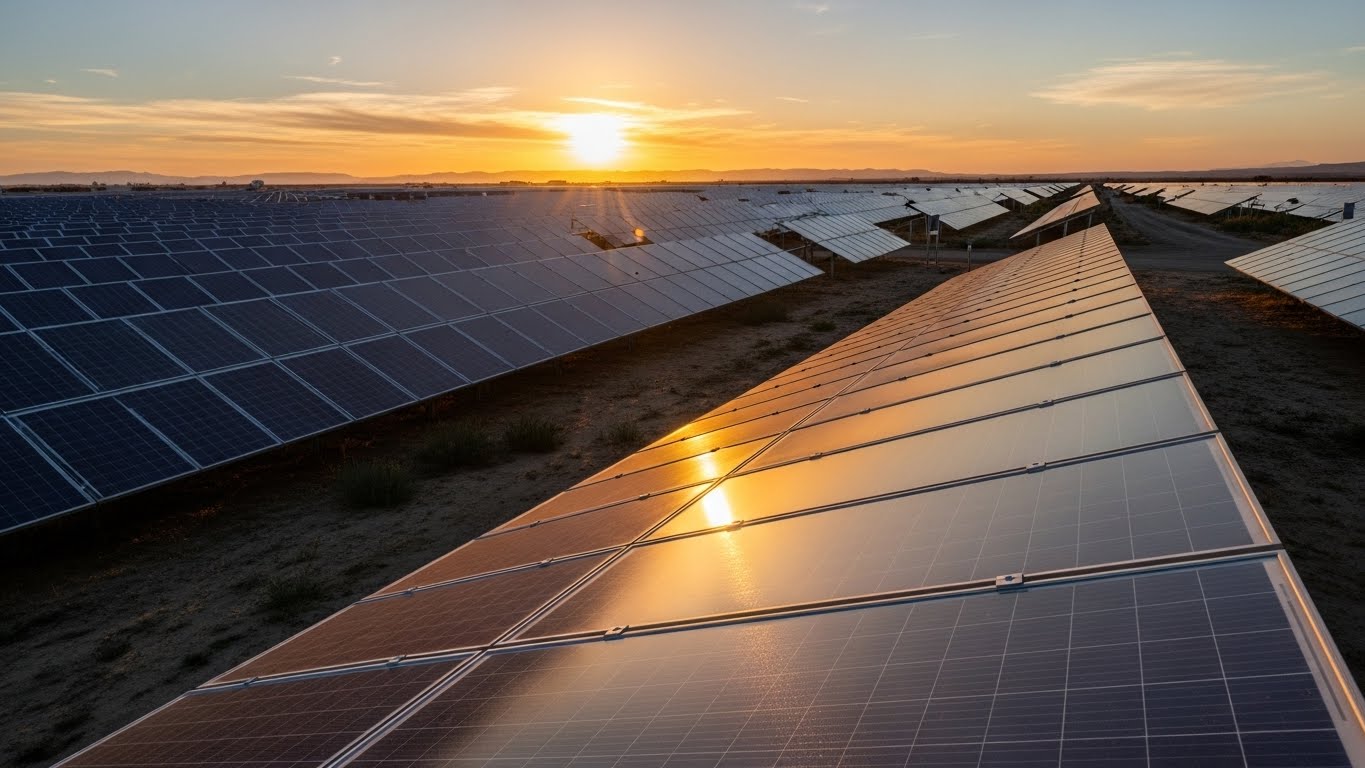
Solar PV modules are the backbone of hybrid systems. They generate electricity during daylight hours and reduce reliance on fuel-heavy generators. Their output varies with weather, but hybrid designs compensate for these fluctuations with secondary sources.
Wind Turbines Add Another Intermittent but Valuable Layer
Many regions receive consistent wind patterns alongside sunlight. Integrating wind turbines enhances total generation and reduces system variability. Hybrid control software ensures smooth coordination.
Energy Storage Balances the System Through Charge and Discharge Cycles
Modern hybrid systems use lithium-ion batteries or similar storage technologies. Batteries store excess energy during peak production and release it when demand rises. This function stabilizes output and reduces generator runtime.
Backup Generators Supply Reliability During Critical Moments
Diesel or gas generators act as the final layer of protection. In well-optimized hybrid systems, generator usage is minimal. They only operate when renewable sources drop significantly or when loads spike unexpectedly.
Smart Controllers Coordinate Every Energy Source
The intelligence behind hybrid HMS photovoltaic design lies in its control systems. These controllers manage load flow, prioritize renewable sources, and keep the system stable under changing conditions. The balance they provide is the reason hybrid microgrids are dependable.
Microinverter-Based HMS PV System Components
Microinverter systems are simpler in structure but advanced in function.
Individual Microinverters Provide Panel-Level Optimization
Each panel receives its own microinverter. This design ensures that shading, aging, or dirt on one panel does not affect the rest. It also increases total output by maximizing each module’s efficiency.
Monitoring Platforms Offer Clear, Real-Time Visibility
Panel-level monitoring helps users see which modules perform best, allowing quick maintenance and performance insights. The transparency builds trust and enhances long-term satisfaction.
Modular Design Supports Future Expansion
Adding new panels is easy. Users do not need to redesign wiring or inverter sizing. This trait makes microinverter systems ideal for expanding homes and businesses.
Improved Safety Enhances User Confidence
Microinverters reduce high-voltage DC lines, lowering potential electrical hazards. This design appeals to families and commercial property owners prioritizing safety.
Comparing Hybrid & Microinverter HMS Photovoltaic Systems
Although both stem from photovoltaic innovation, hybrid microgrids and microinverter setups serve very different situations.
Hybrid microgrids work best for:
-
Remote locations without stable grid access
-
Industrial operations with heavy loads
-
Islands, villages, and resorts
-
Mining sites and construction camps
-
Agricultural processing units
-
Places requiring 24/7 power stability
Microinverter systems work best for:
-
Residential rooftop installations
-
Small commercial buildings
-
Multi-building campuses
-
Properties with shading issues
-
Users seeking modular growth
-
Installations requiring high safety standards
Understanding the energy profile of each environment helps people select the right solution. Many cities gradually integrate hybrid microgrids for community-level stability while using microinverters for individual buildings.
You Might Also Like: Speciering
Why HMS Photovoltaic Systems Represent the Future of Clean, Resilient Energy
The energy world is shifting toward decentralization. Large grids struggle to keep up with rising demand. Climate impacts create disruptions that older systems cannot manage efficiently. People and businesses want independence, resilience, and transparency. HMS photovoltaic technology in both interpretations addresses these needs.
Hybrid microgrids empower communities with diversified energy sources that deliver long-term reliability. Microinverter systems empower individuals with efficient, intelligent rooftop installations that perform well under real conditions. Both reduce carbon footprints, lower long-term costs, and support a cleaner energy future.
Technological progress will continue improving efficiency, durability, and integration. Storage will get cheaper, growth will accelerate, and more people will invest in energy independence. The blend of hybrid solutions and microinverter advancements will help shape a stronger global solar landscape.
Building Confidence Through Intelligent Energy Choices
Exploring the dual nature of hms photovoltaic technology shows how solar innovation adapts to real needs. Whether someone wants to power a remote facility or optimize a small rooftop installation, there is a system designed for that challenge. Choosing the right one brings peace of mind, long-term savings, and a sense of control over energy usage.
Solar energy is no longer limited to sunny days. Through hybrid balancing or panel-level intelligence, it becomes a stable and trusted companion for daily life. Anyone planning for greater reliability, sustainability, or independence can trust these systems to support long-term goals. With every improvement and installation, the world moves closer to a resilient, renewable-powered future.
If you’d like another article vari