Core Components and Functional Architecture
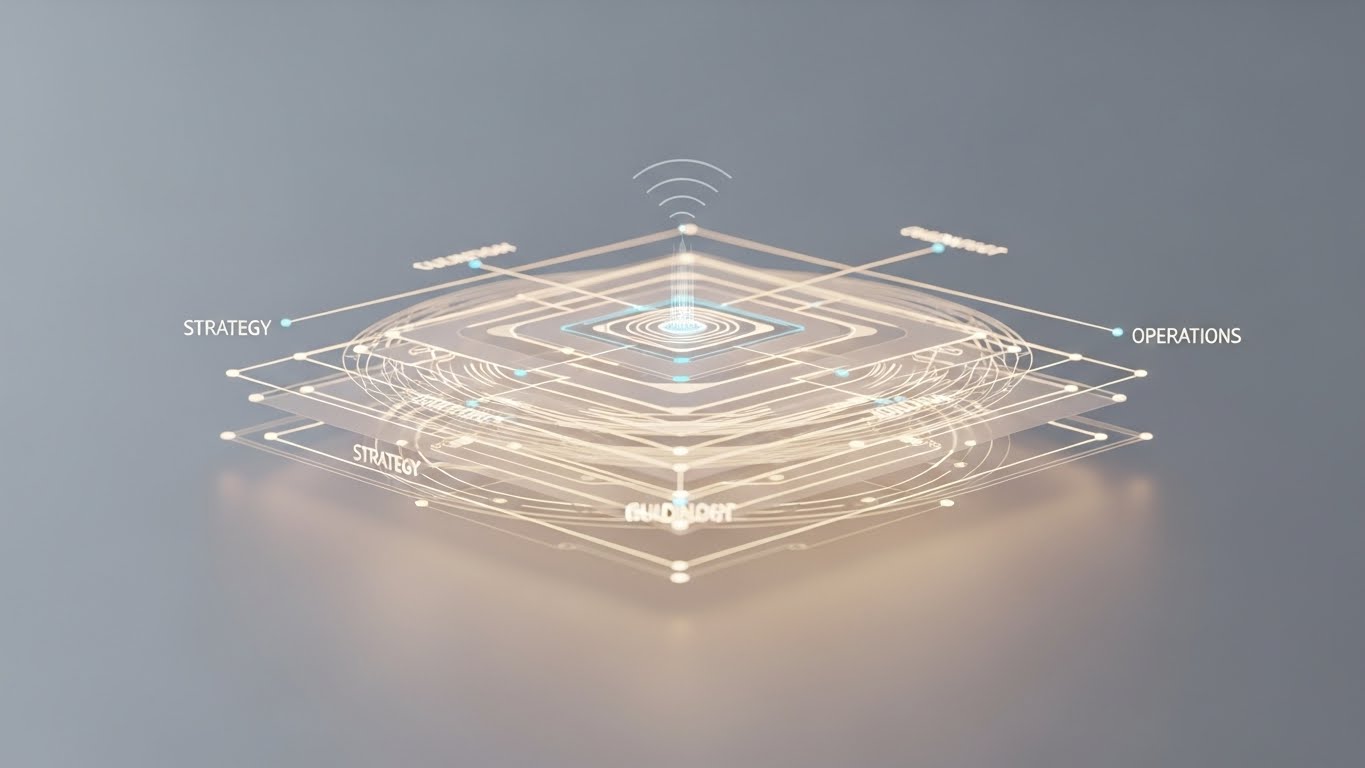
The functional architecture of lufanest is composed of interlocking components that translate abstract intent into coordinated action. These components operate collectively rather than independently, ensuring that no single mechanism dominates system behavior. Central to this architecture is the alignment between strategic articulation, relational pathways, and adaptive feedback. Each component reinforces the others, creating a structure capable of maintaining clarity under pressure. This architecture does not eliminate complexity but renders it intelligible, allowing participants to navigate interdependence with confidence rather than reliance on rigid control.
From an applied perspective, this functional composition influences how organizations allocate responsibility and design workflows. Clear articulation of roles within relational pathways reduces ambiguity while preserving flexibility. The implication is improved execution consistency without excessive oversight. In real-world environments, organizations using this architecture demonstrate smoother coordination across boundaries, particularly during periods of transition or rapid growth, underscoring its operational relevance.
Intent Articulation and Strategic Signaling
Intent articulation within lufanest focuses on expressing strategic direction in a manner that guides interpretation rather than dictating procedure. Leaders communicate desired outcomes and constraints clearly, enabling teams to align actions with purpose. This signaling establishes a shared reference point that supports decentralized decision-making. By prioritizing clarity of intent over exhaustive instruction, the framework reduces cognitive overload and accelerates response.
Practically, strategic signaling enhances alignment across diverse functions. Teams understand how their contributions support broader objectives, improving coherence. The implication is increased ownership and accountability. Organizations applying this principle often experience faster adaptation to change, as intent remains stable even when tactics evolve.
Relational Pathways In Lufanest and Execution Flow
Relational pathways define how work moves through the system. Within lufanest, these pathways are intentionally designed to reflect actual dependencies rather than formal hierarchies. This ensures that execution flow aligns with reality, reducing friction caused by misaligned structures. By mapping interactions explicitly, organizations gain visibility into how decisions propagate.
In practice, clear relational pathways improve coordination and reduce delays. Teams anticipate dependencies and adjust proactively. The implication is smoother execution and reduced rework. This real-world relevance highlights the importance of designing for interaction rather than authority.
Governance Models and Decision Distribution
Governance under lufanest departs from centralized command models by distributing decision authority according to informational proximity. Decisions occur where context is richest, supported by shared principles. This model recognizes that timely responses require localized insight, especially in complex environments. Governance becomes an enabling function rather than a controlling force, maintaining coherence without stifling initiative.
The implications for organizational design are significant. Leadership roles shift toward stewardship of principles and relationships. In real-world settings, this governance approach supports scalability by preventing bottlenecks while preserving alignment, demonstrating its strategic value.
Distributed Decision Authority Of Lufanest
Distributed decision authority empowers teams to act within defined boundaries. Within lufanest, these boundaries are established through intent and relational clarity rather than prescriptive rules. This allows rapid response without sacrificing alignment. Authority distribution acknowledges that expertise often resides outside formal leadership roles.
Operationally, distributed authority improves responsiveness during uncertainty. Teams resolve issues quickly, reducing escalation delays. The implication is enhanced agility and resilience. Organizations employing this model often outperform peers in dynamic contexts.
Oversight Through Feedback Loops
Oversight in this framework relies on feedback loops rather than direct control. Performance information flows continuously, informing adjustment and learning. This approach reframes oversight as a supportive function that enhances system awareness. Feedback becomes a shared resource rather than a punitive measure.
In practice, feedback-driven oversight builds trust and transparency. Teams engage openly with performance data, fostering improvement. The real-world relevance lies in sustained learning cultures that adapt effectively over time.
Operational Alignment In Lufanest Across Functions
Operational alignment is a central outcome of lufanest, achieved by synchronizing functional efforts around shared intent. Rather than eliminating specialization, the framework coordinates it. Alignment reduces duplication and conflict, enabling functions to contribute effectively to collective goals. This coordination is dynamic, adjusting as conditions change.
In applied contexts, aligned operations improve efficiency and quality simultaneously. The implication is stronger value delivery without increased coordination costs. Organizations benefit from clearer priorities and smoother collaboration.
Cross-Functional Coordination Mechanisms
Coordination mechanisms include shared planning processes and relational accountability. These tools ensure that functions understand interdependencies and align efforts. Within lufanest, coordination is continuous rather than episodic, supporting adaptability.
Practically, these mechanisms reduce misunderstandings and delays. Teams anticipate impacts across functions, improving outcomes. The implication is enhanced operational reliability in complex systems.
Lufanest’s Managing Scale and Complexity
As scale increases, complexity grows nonlinearly. The framework addresses this by emphasizing relational clarity over procedural expansion. Managing complexity becomes a matter of maintaining coherence rather than adding layers of control.
Real-world application shows that organizations scale more effectively using this approach. The implication is sustainable growth without proportional increases in bureaucracy, reinforcing the framework’s practical utility.
Human Dynamics and Behavioral Alignment
Human dynamics play a decisive role in the effectiveness of lufanest. The framework accounts for motivation, cognition, and social interaction, recognizing that systems function through people. By aligning structures with human tendencies, it enhances engagement and compliance. Behavioral alignment emerges from clarity and trust rather than enforcement.
This focus has practical implications for performance and retention. Organizations that design for human dynamics experience more consistent execution and lower friction. The framework’s relevance extends beyond structure into culture.
Motivation Through Autonomy and Purpose
Autonomy and purpose are central motivational drivers within the framework. Clear intent provides purpose, while distributed authority supports autonomy. Together, they create conditions for intrinsic motivation. Teams engage more deeply when they understand significance and have discretion.
In practice, motivated teams demonstrate higher performance and resilience. The implication is that motivation is a structural outcome, not merely a cultural aspiration. Organizations benefit through sustained engagement.
Trust, Conflict, and Resolution Of Lufanest
Trust is cultivated through transparency and relational accountability. Within lufanest, conflicts are addressed by referencing shared intent rather than positional power. This reframes disagreement as collaborative problem-solving.
Real-world relevance appears in high-pressure environments where trust enables swift resolution. The implication is stronger collaboration and reduced dysfunction, supporting long-term effectiveness.
Technological Enablement and System Support
Technology supports lufanest by enhancing visibility and coordination. Digital systems provide data and communication pathways that reinforce relational clarity. However, technology remains an enabler rather than a driver. Alignment with framework principles is essential to avoid reinforcing silos.
The implications for system design are substantial. Technology must reflect relational logic to support coherence. Organizations achieve better outcomes when digital tools align with human and structural considerations.
Data Visibility and Shared Understanding
Data visibility enables informed decision-making across the system. Shared access to relevant information supports alignment with intent. Within the framework, data serves as a common reference rather than a control mechanism.
Practically, shared understanding reduces speculation and misalignment. Teams act with confidence based on reliable insight. The implication is improved execution consistency.
Automation and Human Judgment Balance
Automation handles routine tasks, allowing humans to focus on judgment. The framework emphasizes balance, ensuring automation does not undermine adaptability. Human oversight remains central for contextual decisions.
Organizations applying this balance achieve efficiency without rigidity. The real-world relevance is evident in resilient operations that adapt under stress.
Measurement and Performance Evaluation
Measurement within lufanest focuses on systemic outcomes rather than isolated metrics. Performance evaluation reflects alignment quality and relational effectiveness. This holistic approach provides a more accurate assessment of success.
Traditional metrics often drive local optimization. The framework counters this by emphasizing shared outcomes. Organizations gain clearer insight into overall performance.
Designing Aligned Metrics Of Lufanest
Aligned metrics reflect strategic intent and relational dependencies. They are limited in number and widely understood. This clarity supports alignment and reduces metric fatigue.
In practice, aligned metrics improve focus and accountability. The implication is more effective performance management across functions.
Continuous Learning Through Evaluation
Evaluation supports learning rather than punishment. Feedback informs adjustment and improvement. This approach fosters a culture of experimentation within boundaries.
Real-world relevance appears in sustained improvement cycles. Organizations adapt continuously, reinforcing resilience.
Risk Management and System Resilience
Risk management under lufanest emphasizes anticipation and adaptability. Rather than eliminating risk, the framework prepares systems to absorb disruption. Resilience becomes a design objective.
This orientation aligns with volatile environments. Organizations respond effectively to shocks, maintaining coherence.
Anticipatory Risk Design Of Lufanest
Anticipatory design considers potential failures proactively. Redundancies and buffers are intentional. This reduces impact when disruptions occur.
In practice, anticipatory design improves stability. The implication is reduced downtime and faster recovery.
Adaptive Response and Recovery
Response relies on local initiative guided by shared intent. Recovery emphasizes learning. This approach avoids blame and supports improvement.
Organizations recover more effectively using this model. The framework’s real-world value is evident in crisis performance.
You Might Also Like: Slylar Box
Comparative Models and Strategic Positioning
Comparing lufanest with alternative frameworks clarifies its distinctive strengths. Hierarchical models emphasize control, while agile models focus on speed. The framework integrates coherence and adaptability.
This comparative view informs strategic choice. Organizations select models aligned with complexity.
Contrast With Hierarchical Structures
Hierarchical structures centralize authority. The framework distributes it, enhancing responsiveness. This reduces bottlenecks and improves engagement.
In practice, distributed models outperform in dynamic contexts. The implication is competitive advantage.
Distinction Of Lufanest From Agile Approaches
Agile approaches focus on teams. The framework addresses system-wide alignment. It scales more effectively in large organizations.
Real-world relevance appears in enterprise contexts. The framework supports coordination at scale.
Implementation Strategies and Change Dynamics
Implementing lufanest requires deliberate change management. Structural and cultural adjustments must align. Successful implementation balances urgency and patience.
Organizations benefit from phased adoption. This reduces risk and builds capability.
Phased Rollout and Pilots
Phased rollout begins with pilots. Lessons inform expansion. This approach builds confidence and reduces resistance.
In practice, phased adoption improves sustainability. The implication is durable transformation.
Leadership Development and Capability Building
Leaders model principles and invest in skills. Capability building focuses on systems thinking and relational competence.
Organizations prioritizing leadership development achieve better outcomes. This underscores human investment.
Future Outlook and Evolutionary Potential
The future relevance of lufanest aligns with increasing complexity and interdependence. As environments become more dynamic, integrative frameworks gain importance. The framework evolves without losing coherence.
Strategically, it positions organizations for uncertainty. Adaptability becomes a sustained capability.
Emerging Trends and Adaptation
Emerging trends include networked ecosystems and digital integration. The framework adapts through principles rather than prescriptions.
Organizations leveraging this adaptability remain competitive. The implication is long-term viability.
Strategic Resilience and Continuity Of Lufanest
Strategic resilience arises from shared intent and distributed authority. Systems adjust rapidly without fragmentation.
Real-world relevance appears in volatile industries. The framework supports continuity under change.
Across its foundational principles, functional architecture, and human-centered design, lufanest offers a comprehensive approach to managing complexity without sacrificing coherence. By aligning intent, relationships, and adaptive governance, organizations can navigate uncertainty while maintaining strategic clarity. Its emphasis on relational design, distributed authority, and continuous learning reflects a mature understanding of modern operational realities. In practice, the framework enables resilience, scalability, and sustained performance across diverse contexts. Rather than prescribing rigid solutions, it provides principled guidance that empowers systems to evolve intelligently. This integrative orientation represents a decisive shift toward structures designed for durability, ensuring that organizations remain coherent, adaptive, and effective in the face of ongoing change.