Most people discover mannacote by accident. Someone mentions it in a recipe, a friend talks about it during a crafting project, or you read about it while searching for new ingredients. Suddenly, you wonder why this one word keeps showing up in different corners of your life. Curiosity grows, and you want answers that actually make sense. That curiosity is exactly what brings many readers here. Mannacote has become a rising topic, and although the name sounds new, its roots reach much deeper than most expect.
The term describes a versatile substance known for strength, stability, and adaptability. As more people seek natural materials, simpler processes, and ingredients with multiple uses, mannacote keeps showing up as a solution. Whether you’re a home cook, artisan, hobbyist, or simply curious, understanding what makes this ingredient special can help you decide how to use it confidently.
What Mannacote Really Is
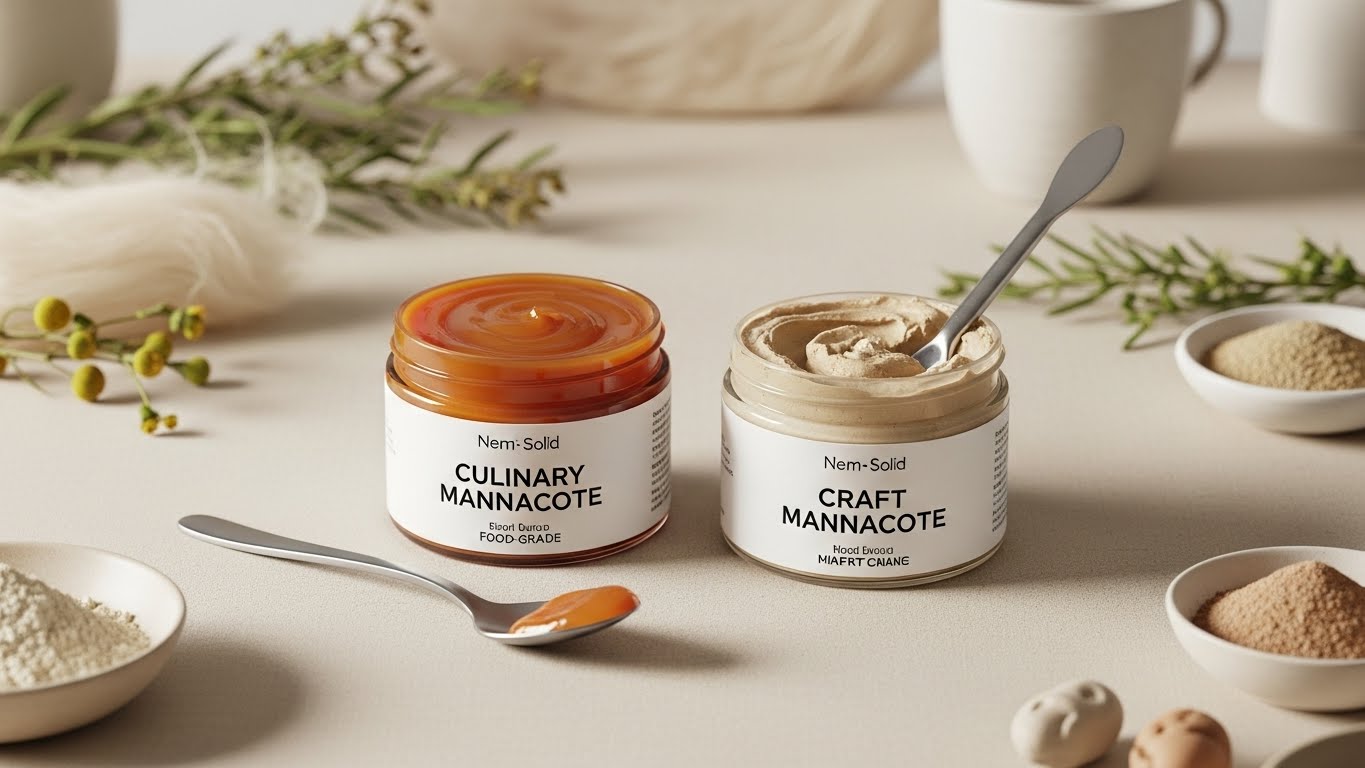
Many describe mannacote as a hybrid compound combining plant extracts with mineral binders. The blend creates a semi-solid material that holds shape while staying workable. Its texture ranges from smooth to grainy depending on its intended purpose. Traditionally, it appears in two main forms: culinary and craft-oriented. The culinary version focuses on purity and mild flavor. The craft version prioritizes structural integrity and durability.
Mannacote stands out because it bridges old and new practices. Early communities used versions of it for preserving foods and sealing containers. Over time, each region adapted it based on local resources and needs. Modern techniques have refined the substance while keeping its core attributes intact. That long history explains why people trust it across different industries today.
You Might Also Like: Felixing
The Many Forms of Mannacote
Although the word suggests a single product, mannacote appears in several varieties. Each form supports a specific use, and choosing the right one determines how successful your results will be.
Culinary Mannacote
This form focuses on texture and mild flavor. It blends ground plant starches with natural binders processed into a soft paste. When heated, it thickens evenly without clumping. Many cooks use it to create glossy glazes, smooth fillings, and sturdy coatings for layered dishes. Its neutral taste allows spices and aromatics to stand out instead of competing with the base.
Culinary mannacote stores well and usually comes in small containers to keep it fresh. Its consistency feels silky, making it easy to incorporate into both hot and cold recipes. Once it sets, it forms a flexible barrier that helps preserve moisture.
Craft Mannacote
Craft versions emphasize durability. They include mineral powders, bonding agents, and texturing elements that harden during drying. Artisans use this variant to create decorative molds, strengthen surfaces, and build lightweight structures. Because it dries quickly, it suits detailed applications. Woodworkers apply thin layers to protect surfaces. Sculptors enjoy its ability to maintain fine lines without collapsing.
Craft mannacote can also be tinted, carved, and sanded once dry. This makes it a favorite among DIY communities looking for a dependable yet workable medium.
Industrial Mannacote
Some industries use stronger formulations designed for sealing, binding, or reinforcing components. These versions are not intended for home use. Although they share the same base principles as the other forms, they undergo rigorous testing to meet stability requirements. Industrial mannacote provides uniform bonding without degrading under pressure, which is why it appears in small-scale manufacturing and specialized construction tasks.
How Mannacote Is Made
The production process depends heavily on the intended purpose, yet all types share certain steps. These steps ensure consistency, quality, and safety.
Selecting Base Materials
Manufacturers select plant-based ingredients such as fibrous roots or seeds. For craft formulations, they combine these with finely milled minerals. The plant materials contribute elasticity, while minerals provide strength. The balance between these two elements determines texture.
Hydration and Mixing
After preparation, producers hydrate the materials to form a thick mixture. Proper mixing ensures even distribution so the final product stays stable. If it becomes too watery, it won’t hold shape. Too dry, and it loses flexibility. Experts monitor the process with great precision, especially for culinary mannacote where smoothness matters.
Refinement and Setting
Once blended, the substance goes through filtering and refining. This step removes impurities while controlling density. Culinary versions pass through additional screening to achieve a silky consistency. Craft versions may intentionally include micro-textures to improve grip and adherence.
The final stage involves controlled setting or partial drying. For culinary products, this creates a soft, spoonable paste. Craft formulations become firm but pliable.
Why Mannacote Is Becoming So Popular
As people look for dependable, multipurpose materials, mannacote offers qualities that appeal to several communities. Its versatility makes it more than a passing trend.
Natural Ingredients Appeal
Many consumers want ingredients with recognizable origins. Because mannacote relies heavily on plant-based elements, it aligns with that preference. Even craft versions draw from natural minerals that feel familiar and safe.
Ease of Use
Home cooks and creators enjoy its simple learning curve. It behaves predictably, whether heated, cooled, shaped, or dried. That reliability reduces mistakes and gives beginners more confidence.
Adaptability
Few substances work equally well in artistic projects and kitchen recipes, yet mannacote manages to do both. Its structure allows for adjustments. You can thin it, thicken it, sculpt it, or blend it with other materials without losing stability.
Aesthetic Benefits
Culinary mannacote creates glossy surfaces that enhance presentation. Craft versions deliver smooth finishes that look professional even when made at home. The aesthetic appeal is a major reason for its rising demand among decorators and artisans.
Culinary Uses of Mannacote
To understand why chefs value this material, it helps to explore how it enhances different dishes. Culinary mannacote provides structure without adding strong flavors, making it ideal for recipes that require precision.
Glazes and Coatings
Chefs often use mannacote to produce thick, shiny glazes. When heated gently with sweet or savory ingredients, it forms a coat that adheres well to surfaces. This lets cooks apply consistent layers on meats, pastries, fruits, and vegetables. The result stays intact during serving, helping dishes look polished and appetizing.
Thickening Sauces
Many thickeners alter flavor, but mannacote leaves sauces tasting pure. It dissolves evenly, preventing lumps. Because it handles heat well, you can simmer sauces without worrying about separation. It supports smooth, velvety textures in gravies, custards, and creamy blends.
Filling Stabilizer
Desserts with layered fillings benefit from its stabilizing properties. When added in small amounts, mannacote prevents runny mixtures. Cheesecake fillings stay firm, fruit-based layers remain structured, and whipped creams hold shape for longer periods. This helps home bakers achieve bakery-level results.
Sealing Foods for Storage
Centuries ago, cooks used early forms of mannacote to seal foods. Modern versions still offer similar advantages. When spread thinly and allowed to cool, it creates a barrier that protects ingredients from drying out. This method works for soft cheeses, cured meats, and certain preserved vegetables.
Binding Plant-Based Dishes
Plant-based cooking often requires binders to hold ingredients together. Mannacote acts as a gentle adhesive without overpowering flavors. Veggie patties, grain loaves, and stuffed vegetables benefit from its stabilizing effect. The texture stays pleasant and natural.
Craft Uses of Mannacote
Beyond the kitchen, mannacote shines in creative environments. Artists value its versatility and strength, while hobbyists appreciate its accessibility.
Mold Making
Because mannacote captures detail well, it’s a popular choice for mold creation. It flows smoothly before setting, then firms into a durable shell. This allows artisans to create molds for candles, figurines, and decorative accents. The final product withstands repeated use.
Surface Coating
Craft mannacote works well as a protective coat for wood, clay, and mixed-media projects. Once dry, it resists scratching and moisture. This makes it useful for furniture accents, wall art, and decorative boxes. The coating adds a professional finish without needing complex tools.
Sculpting and Carving
Its pliability enables precise shaping. As it dries, it retains form without sagging. Artists can carve fine details or smooth surfaces with simple tools. The material sands easily, allowing creators to refine their work even after it hardens.
Repair Work
Craft enthusiasts often turn to mannacote for small repairs. Its bonding properties make it useful for filling cracks, smoothing chipped edges, and reinforcing weakened structures. Once set, it blends well with surrounding materials and can be painted.
How Mannacote Compares to Similar Materials
Understanding how mannacote differs from related substances helps you choose it more effectively.
Compared to Starches
Common starches thicken sauces but don’t offer the same stability. Mannacote holds shape longer and creates a smoother finish. It also handles reheating better.
Compared to Clay
Clay is heavier and less flexible. Mannacote suits projects requiring lightweight materials or fine detail. It also dries faster and sands more easily.
Compared to Gelatin
Gelatin provides a delicate set, while mannacote produces stronger structure. For vegan cooks or those avoiding animal products, mannacote offers a dependable alternative.
Compared to Plaster
Plaster dries hard but can crack under stress. Mannacote remains more resilient, especially in thin layers. This advantage makes it appealing for flexible or intricate designs.
How to Store Mannacote
Proper storage keeps mannacote fresh and functional. The right conditions depend on the version you use.
Storing Culinary Mannacote
Seal it tightly in an airtight container. Keep it in a cool area away from direct light. Refrigeration helps extend freshness if you plan long-term use. Always avoid contamination by using clean utensils.
Storing Craft and Industrial Mannacote
These versions should stay in sealed containers to prevent premature drying. Store in a dry place without temperature fluctuations. If your region is humid, add a moisture-absorbing packet to maintain consistency.
Tips for Working with Mannacote
Beginners often feel nervous when trying new materials. These simple tips make the process smooth and enjoyable.
For Cooking
Use small amounts first to gauge consistency. Heat it slowly while stirring to maintain smoothness. If the mixture thickens too quickly, add a splash of liquid and continue stirring until balanced.
For Crafting
Start with a thin layer before building thickness. Work in small sections to prevent drying during application. If sculpting, keep tools slightly damp for smoother lines.
You Might Also Like: Chas6d
Common Mistakes to Avoid
Even though mannacote is forgiving, certain mistakes can cause frustration. Understanding what to avoid helps you get better results.
Using Too Much at Once
Excessive amounts can create heavy textures or unnecessary bulk. For cooking, this leads to pasty mixtures. For crafting, it may crack when drying.
Incorrect Drying Conditions
Craft versions require stable airflow and moderate temperatures. Direct heat can warp details. Always let it dry naturally whenever possible.
Misidentifying the Type
Using culinary mannacote for craft projects won’t produce the necessary strength. Using craft mannacote in food is unsafe. Always check labels before applying.
Is Mannacote Safe?
Culinary mannacote follows strict guidelines to ensure safety. It contains food-grade ingredients that meet established standards. Craft and industrial forms are not edible but safe for handling when used correctly. As with any material, follow instructions and keep non-culinary versions away from children.
Where Mannacote Goes from Here
As demand grows for multipurpose, natural ingredients, mannacote continues to evolve. New formulations appear each year to support innovative uses. Chefs experiment with it to refine textures. Artisans push boundaries to create complex designs. Hobbyists enjoy making projects that look polished and professional. It’s rare for a single substance to serve so many roles while staying easy for beginners.
The future of mannacote likely includes more specialized options tailored to specific needs. Enhanced firmness for sculptors, improved gloss for cooks, and stronger bonds for crafters are all areas of active development. Its rise reflects a broader trend toward versatile materials that simplify processes while elevating results.
Bringing Mannacote Into Your Own Projects
If you’re curious, start small. Try a simple recipe or craft piece to get comfortable with its behavior. Once you gain experience, you’ll see how easily it adapts. Many people feel an immediate sense of accomplishment because the material responds predictably. That boost encourages creativity and exploration. Over time, you’ll discover methods that suit your style and preferences.
Mannacote isn’t just a product. It’s a tool that helps people create, experiment, and improve their work in meaningful ways. Whether you use it in your kitchen or your workshop, its flexible nature opens doors to new possibilities. As you experiment, you’ll understand why so many people have embraced it. And when you feel that spark of satisfaction after a successful project, you’ll know you’ve found something worth keeping in your toolbox.