There are flavors that surprise you the moment they touch your tongue. They bring a tiny pop, a burst of saltiness, and a smooth finish that lingers just long enough to make you crave another bite. That is the experience many people describe the first time they taste masago. It may look simple, but its flavor has a charm that stays with you. If you’ve ever enjoyed sushi and wondered about those small orange pearls on top, you already know part of its story. What seems like a garnish actually carries centuries of culinary tradition, cultural value, and nutritional benefits.
Masago has become a favorite among food lovers seeking new textures and deeper flavors. It appears on sushi rolls, poke bowls, seafood dishes, and creative fusion plates. Its presence adds color, taste, and elegance without overwhelming the dish. Whether you are exploring Japanese cuisine for the first time or you’ve loved sushi for years, understanding masago opens the door to a richer dining experience. And that’s why so many people search for it when learning more about exciting ingredients that elevate everyday meals.
What Masago Actually Is and Why It Matters
It refers to the tiny eggs of the capelin fish, a small species found in cold northern waters. These eggs are soft, mild, and delicate. Their natural color is pale, but they are often lightly seasoned and enhanced to achieve the vibrant orange shade commonly seen in restaurants. Unlike the firmer eggs from other fish, such as salmon or flying fish, capelin roe offers a gentle texture that blends beautifully into sauces and rice.
The reason masago stands out is its balance. It is flavorful without being overpowering. It has a subtle crunch without feeling hard. It brings a hint of ocean freshness without becoming too salty. This harmony makes it one of the most versatile ingredients in Japanese cuisine. Chefs rely on it to add visual appeal and depth, while diners appreciate its approachable taste.
Masago also carries cultural significance. In coastal regions, fishing communities have used roe for generations. These eggs represent both nourishment and tradition. As global cuisine expanded, this ingredient traveled far beyond its origins, capturing the interest of food lovers worldwide.
You Might Also Like: Candizi
How Masago Differs From Other Types of Roe
Many people confuse it with other kinds of fish roe, especially tobiko, which is also popular in sushi. While they may look similar from a distance, their qualities differ. Understanding these distinctions helps you appreciate masago’s unique charm.
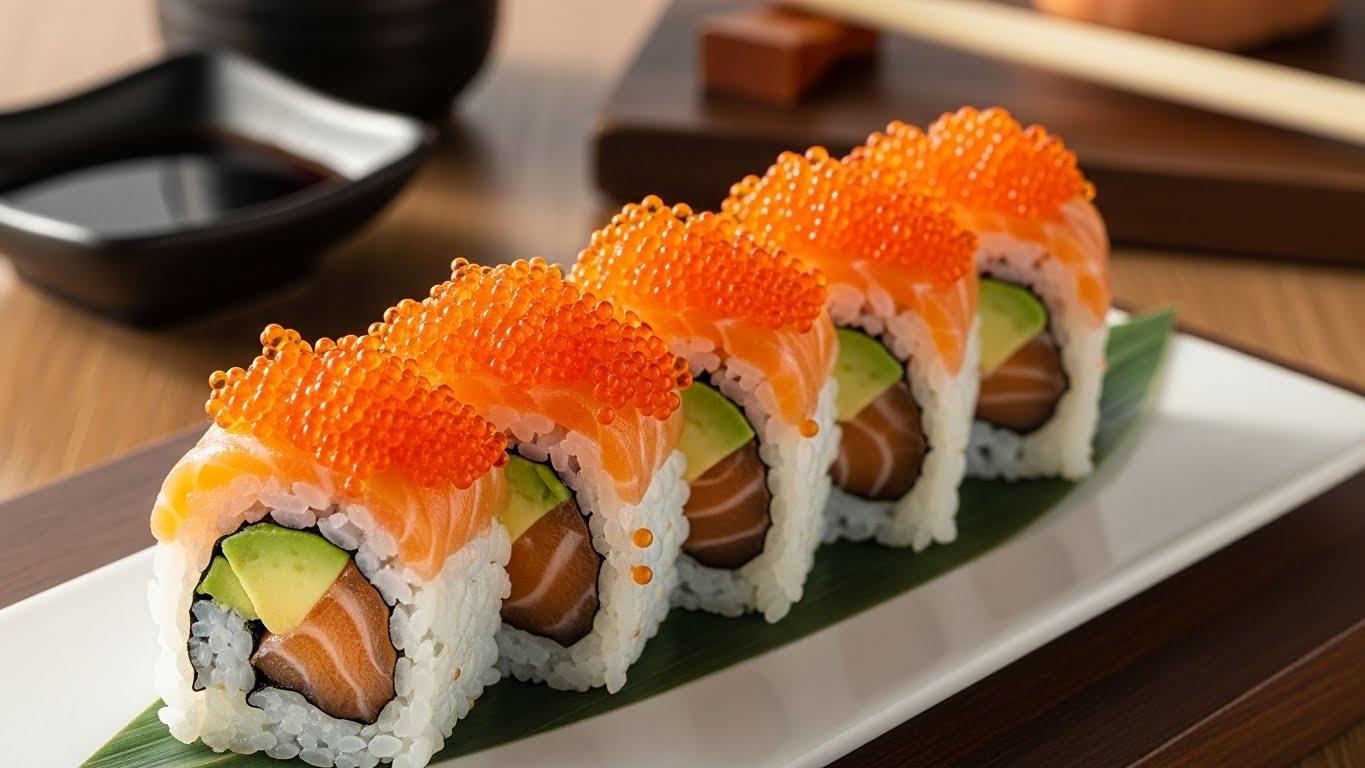
Masago is softer and smaller than tobiko. It has a mild taste that blends easily with other ingredients. Tobiko, on the other hand, is crunchier and more intense. Salmon roe, known for its large size and bold flavor, offers an entirely different experience. Compared to these options, masago provides the most subtle and smooth texture.
Another key difference lies in cost. It is often more affordable, making it accessible to chefs and diners who want the experience of roe without the high price tag. This accessibility contributes to its popularity in casual dining as well as fine dining settings.
The Flavor Profile That Makes Masago So Appealing
If you’ve ever wondered why a small amount of masago can transform a dish, the answer lies in its balanced flavor profile. It carries a gentle brininess with hints of ocean freshness. It doesn’t overpower other ingredients, allowing harmonious combinations with rice, sauces, seafood, vegetables, and even mild proteins like tofu.
The texture adds another dimension. With each bite, you experience tiny pops that are satisfying without being crunchy. This creates a contrast that enhances soft textures like sushi rice or raw fish. The result feels luxurious yet familiar.
It absorbs flavors well, which is why chefs often season it with mild sweetness, umami-rich sauces, or subtle spices. This adaptability makes it a valuable ingredient for both traditional recipes and modern fusion cuisine.
How Masago Is Traditionally Used in Japanese Cuisine
In Japanese cooking, masago appears in many beloved dishes. It often sits atop sushi rolls, providing color and gentle flavor. You may find it sprinkled over spicy tuna rolls, California rolls, or cucumber maki. Chefs use it to elevate the appearance and add depth to each bite.
Beyond sushi, masago enriches sauces. Blended into creamy dressings or spicy mayonnaise, it introduces texture and visual appeal. These sauces are commonly drizzled over poke bowls, tempura, and seafood salads. Masago also works as a topping for donburi bowls, adding a final flourish to rice-based dishes.
In some households, masago is mixed with rice or used to flavor warm dishes. Although it is most famous as a sushi ingredient, its versatility stretches far beyond raw fish dishes.
Modern Creative Uses of Masago in Global Cuisine
As international chefs experiment with Japanese ingredients, masago has found its way into countless creative plates. It’s now used in:
-
Gourmet pasta dishes
-
Seafood tacos
-
Creative sliders and burgers
-
Savory breakfast bowls
-
Fusion-style pizza
-
High-end appetizers
In these settings, masago brings an elegant finishing touch. It adds color to otherwise neutral dishes and a burst of taste that surprises guests in delightful ways.
Its mildness allows it to pair with diverse flavor profiles. Whether the dish is spicy, creamy, smoky, or citrus-forward, masago enhances rather than competes. This makes it ideal for experimental cooking and modern dining trends.
The Nutritional Benefits of Masago
Beyond its flavor and visual appeal, masago offers notable nutritional value. It is rich in protein, providing essential amino acids that support muscle and tissue health. It also contains omega fatty acids known for supporting brain function, heart health, and overall well-being.
Vitamin B12 is another important nutrient found in masago. This vitamin plays a role in energy production and neurological health. Additionally, masago contains minerals like magnesium and selenium, which contribute to immune support and cellular repair.
While it includes healthy fats, it is typically low in calories. This combination makes it an appealing choice for people looking to enhance meals without adding excessive heaviness.
However, like many seafood products, masago contains sodium, especially when seasoned. Those following low-sodium diets should be mindful of portion sizes. Yet for most people, masago is a nutritious addition to balanced meals.
How Masago Is Harvested and Prepared
Understanding how masago reaches your plate adds depth to its appreciation. The harvesting process begins with capelin fishing in cold northern waters. Capelin swim in large schools, making sustainable catches possible when regulated properly.
Once harvested, the roe is extracted with care to maintain quality. The eggs are then cleaned, strained, and prepared. At this stage, it is relatively pale. Chefs or manufacturers often season it with mild flavors and natural enhancements. This gives masago its signature orange hue and balanced taste.
Its preparation requires precision. Because the eggs are delicate, handling must be gentle. This care ensures the smooth texture and fine consistency people love.
The Importance of Quality When Buying Masago
Quality matters significantly when choosing roe. High-quality masago should have a fresh aroma and smooth texture. The color should be bright but not overly artificial. Balanced seasoning indicates proper preparation, while excessive saltiness can signal lower quality.
Freshness is essential because roe is delicate. Fresh masago delivers the best flavor and texture. Frozen masago is also common and can maintain quality when stored correctly. Proper temperature control ensures safety and flavor.
When purchasing it, look for products that appear evenly textured and moist without excess liquid. These characteristics indicate thoughtful preparation and careful handling.
How to Store It for Optimal Freshness
Masago is perishable, so proper storage is crucial. When kept refrigerated, it stays fresh for a limited time. Most people store it in airtight containers to preserve moisture and flavor. Once opened, it should be consumed relatively quickly.
Freezing is a common method for long-term storage. When frozen, it can maintain quality for several months. It should be thawed slowly in the refrigerator to protect its delicate structure. Rapid thawing can compromise texture.
Stored correctly, masago retains its flavor and color, making it easy to incorporate into meals whenever inspiration strikes.
Cooking With Masago at Home
Many people assume masago is only for restaurants, but it’s incredibly easy to enjoy at home. Adding it to your dishes elevates meals with minimal effort. It works well in homemade sushi rolls, hand rolls, and rice bowls. A small spoonful on top of salmon, tuna, or tofu brings instant restaurant-quality presentation.
Masago enhances creamy sauces, turning simple dips or dressings into rich, flavorful additions. It pairs beautifully with dishes like noodle salads, seafood pasta, and savory breakfast scrambles. Even a basic avocado toast gains a luxurious twist with a sprinkle of masago.
When cooking at home, the key is moderation. Masago is a finishing touch rather than a main ingredient. A little goes a long way.
Masago in Poke Bowls and Modern Seafood Trends
Poke bowls have become a staple in many modern restaurants, and masago is often a favorite topping. It adds color, texture, and flavor while complementing fresh fish, crunchy vegetables, and warm rice.
In the world of seafood trends, it plays a role in shaping modern flavor profiles. Chefs use it to introduce subtle umami notes, creating layers that make dishes more enjoyable. As diners seek fresh, vibrant meals, masago fits naturally into these desires.
Its versatility makes it a perfect addition to both traditional poke bowls and innovative seafood creations.
The Cultural Significance of Roe in Global Cuisine
Roe has long been valued in various cultures. In Japan, it symbolizes abundance and celebration. In Nordic regions, roe appears in everyday meals, reflecting local fishing traditions. Mediterranean cuisine also appreciates the richness of seafood eggs.
Masago sits within this global appreciation. Its presence in kitchens worldwide shows how food travels across cultures. Each region interprets masago uniquely, adding local flavors and techniques to create new expressions of the ingredient.
This cultural blending strengthens appreciation for culinary diversity and shared traditions.
Health Considerations and Dietary Awareness
While masago offers nutritional benefits, there are considerations to keep in mind. Sodium content can be significant, especially in seasoned varieties. Those watching sodium intake should monitor portion sizes.
Seafood allergies are another concern. Anyone sensitive to fish or roe should avoid masago. Pregnant individuals may choose to limit raw seafood products based on personal or medical guidance.
For most people, masago can be part of a balanced diet. Its protein, vitamins, and minerals contribute to overall health when enjoyed in moderation.
You Might Also Like: Mannacote
Why It Enhances Dining Experiences
The reason masago enhances meals goes beyond taste. It engages the senses on multiple levels. Its bright color catches the eye, its texture surprises the mouth, and its flavor brings depth without dominating the dish. This combination elevates even simple meals.
Chefs love masago because it adds immediate sophistication. Diners love it because it makes dishes feel special. Whether you’re enjoying a premium sushi platter or a homemade bowl, masago brings a touch of excitement.
Its ability to transform dishes with small amounts makes it a powerful ingredient in the culinary world.
The Future of Masago in Modern Cuisine
As global cuisine evolves, masago continues gaining popularity. Its adaptability ensures it will remain relevant in future food trends. With increasing interest in seafood sustainability, innovation, and fusion cooking, masago fits naturally into modern preferences.
Chefs continue to experiment with new pairings, incorporating masago into dishes that blend cultures and techniques. Diners embrace it for its flavor, nutrition, and aesthetic appeal. This momentum ensures masago’s place in kitchens worldwide for generations to come.
Moving Forward With a New Appreciation for Masago
Exploring masago opens up a world of flavor, tradition, and creativity. Its delicate texture, balanced taste, and versatility make it a favorite among chefs and home cooks alike. When used thoughtfully, it can transform everyday meals into memorable experiences. As you continue discovering ingredients that bring joy to your cooking, let it remind you that even the smallest additions can spark something extraordinary. Whether you’re preparing a simple bowl or crafting a special dinner, this tiny ingredient offers a chance to celebrate flavor in its most elegant form.