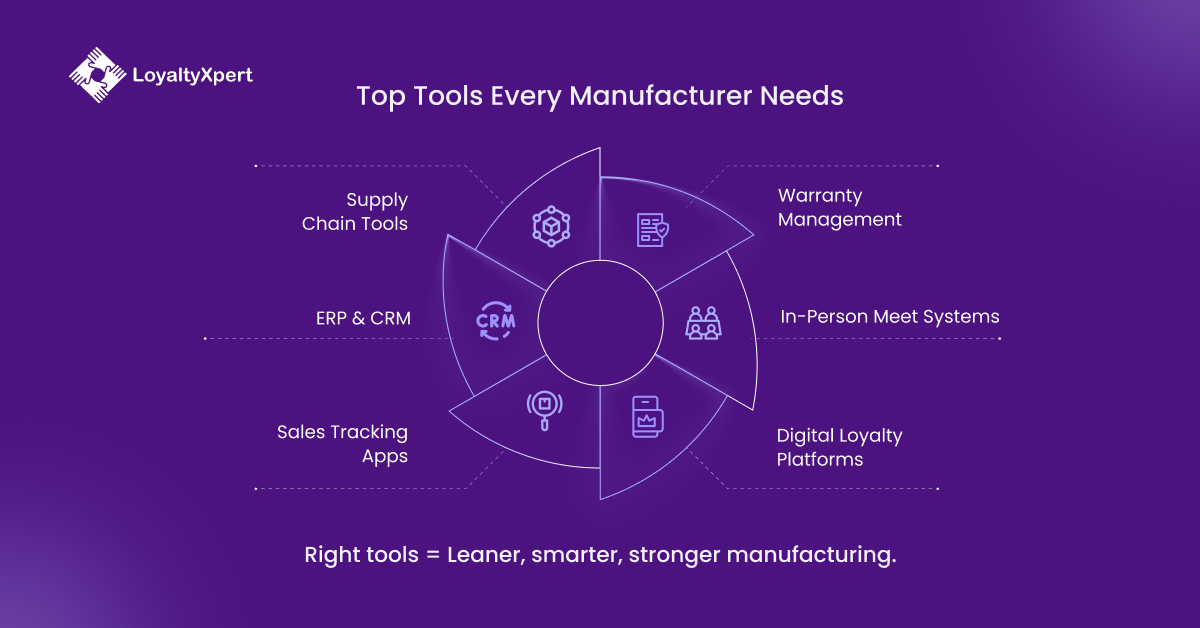
/operational-tools-manufacturers
Understanding Operational Tools Manufacturers
Operational tools manufacturers are companies that design, develop, produce, and distribute tools and equipment used for a variety of industrial and commercial operations. These tools range from small, manual instruments such as wrenches, pliers, and screwdrivers to complex machinery and digital systems like sensors, automation devices, and ergonomic equipment.Their primary mission is to create tools that enhance the effectiveness of workforce operations. This includes improving safety, reducing manual work, minimizing errors, and boosting productivity. As industries integrate advanced technologies, the role of these manufacturers has expanded to include smart tools, data-driven systems, and eco-friendly solutions.
Types of Operational Tools Produced
Operational tools manufacturers produce a wide variety of equipment, including but not limited to:
Hand Tools
These are the simplest but most essential tools used across almost every industry. Examples include:
- Hammers
- Wrenches
- Screwdrivers
- Pliers
- Cutters
Hand tools remain indispensable for technical, maintenance, and repair work.
Power Tools
Power tools help reduce manual effort and increase precision. Manufacturers produce:
- Drills
- Grinders
- Sanders
- Electric saws
- Impact wrenches
These tools improve productivity and enable workers to perform complex tasks more efficiently.
Industrial Machinery
Advanced tools such as CNC machines, hydraulic presses, and milling systems fall under this category. These machines support mass production and ensure high accuracy.
Safety and Ergonomic Tools
Operational tool manufacturers also focus on workplace safety by producing:
- Protective gear
- Lifting equipment
- Anti-vibration handles
- Adjustable workbenches
These tools help reduce injuries and support healthier working environments.
Automated and Smart Tools
With the rise of Industry 4.0, manufacturers are developing:
- IoT-based monitoring systems
- Robotic tools
- Sensor-based equipment
- Digital diagnostic tools
These smart solutions enable real-time data collection, predictive maintenance, and improved operational control.
Importance of Operational Tools Manufacturers
Enhancing Productivity
High-quality tools improve workflow efficiency and speed. Workers can complete tasks faster and with greater accuracy, leading to higher output for businesses.
Ensuring Safety
Reliable tools reduce the risk of accidents and equipment failure. Manufacturers follow strict safety standards to ensure the tools meet industry regulations.
Supporting Innovation
By integrating digital technologies, operational tools manufacturers help industries adopt modern solutions that enhance competitiveness.
Reducing Operational Costs
Efficient tools minimize resource wastage, maintenance requirements, and downtime, ultimately saving businesses significant costs over time.
Increasing Product Quality
Accurate tools ensure that products manufactured meet precise specifications and quality standards. This consistency is crucial for customer satisfaction and brand reputation.
Key Trends Shaping the Industry
Automation and Smart Tools
Manufacturers are increasingly developing tools that feature automation, connectivity, and sensors. These innovations enable industries to track performance, detect faults early, and improve operation accuracy.
Sustainable and Eco-Friendly Tools
Environmental concerns are pushing manufacturers to create tools with recyclable materials, energy-efficient motors, and low-emission processes. Green manufacturing has become a major focus.
Customization and Tailored Solutions
Many businesses now seek specialized tools for specific operations. Manufacturers are responding by offering customized designs and solutions tailored to unique needs.
Advanced Materials
To enhance durability and performance, manufacturers are using advanced materials such as:
- Titanium alloys
- Carbon fiber
- High-strength composites
These materials improve the lifespan and efficiency of tools.
Digital Integration
The integration of mobile apps, cloud systems, and AI for tool monitoring is rapidly growing. This allows businesses to collect data and make better operational decisions.
Challenges Faced by Operational Tools Manufacturers
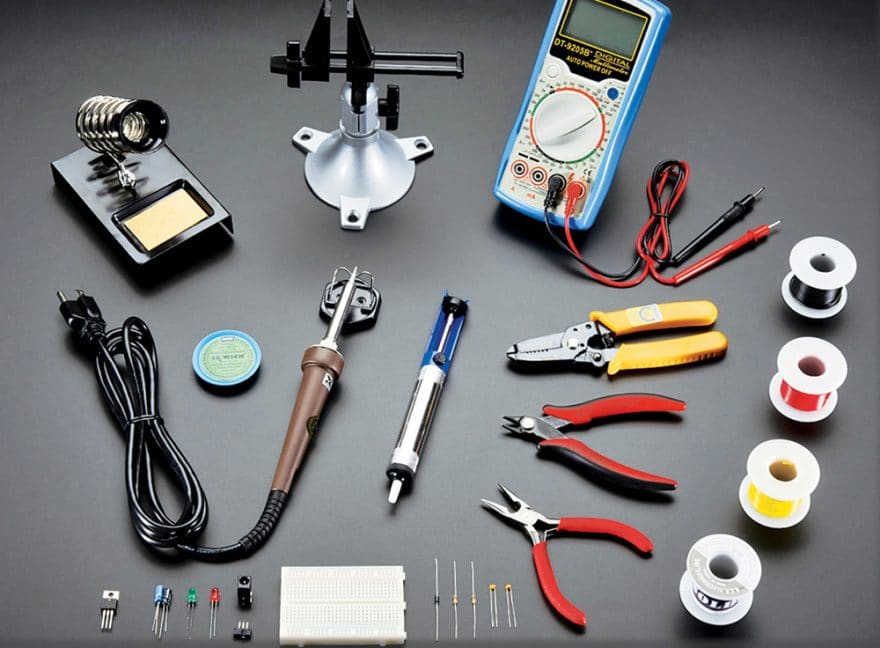
High Competition
The global market is filled with both established brands and new entrants. Manufacturers must consistently innovate to stay competitive.
Rising Raw Material Costs
Fluctuating prices of steel, aluminum, and other raw materials affect production costs and profit margins.
Technological Demands
Keeping up with rapidly changing technology trends can be expensive and requires continuous research and development.
Counterfeit Products
The presence of low-quality, counterfeit tools in the market poses a challenge, as they damage brand reputation and impact sales.
Supply Chain Disruptions
Manufacturers often face delays in raw materials and production cycles due to global supply chain issues.
What Businesses Should Consider When Choosing Operational Tools Manufacturers
Selecting the right manufacturer is critical for ensuring operational efficiency. Businesses should evaluate:
Product Quality
The tools must meet safety and performance standards. Reliable manufacturers provide certifications and testing documentation.
Technological Capabilities
Manufacturers who invest in advanced technology offer better precision, durability, and smart features.
Customization Options
Industries with unique needs should choose manufacturers willing to design specialized solutions.
After-Sales Support
Reliable service, warranties, and availability of spare parts ensure long-term usefulness.
Brand Reputation
Established manufacturers with strong reputations provide consistency and reliability.
Conclusion
Operational tools manufacturers play a vital role in shaping industries by providing the equipment necessary to complete daily tasks safely and efficiently. Their contributions extend far beyond simple tool production they are the backbone of innovation, productivity, and industrial advancement. As technology evolves, these manufacturers are embracing automation, sustainability, and digital integration to meet the changing demands of modern industries.From small businesses to large industrial organizations, every operation relies on high-quality tools. Choosing the right operational tools manufacturer can significantly improve workflow, reduce costs, and support long-term success. In a world where efficiency and innovation are essential, operational tools manufacturers remain key drivers of progress and industrial excellence.